Bears are among the most powerful and fascinating animals found across the United States, roaming vast forests, rugged mountains, and remote wilderness areas. Despite their strength and adaptability, their presence is not evenly spread throughout the country. Some states offer ideal habitats with rich food sources, dense forests, and protected lands that allow bear populations to thrive, while others see far fewer encounters. From massive grizzlies in the west to widespread black bears in the east, each region tells a different wildlife story.
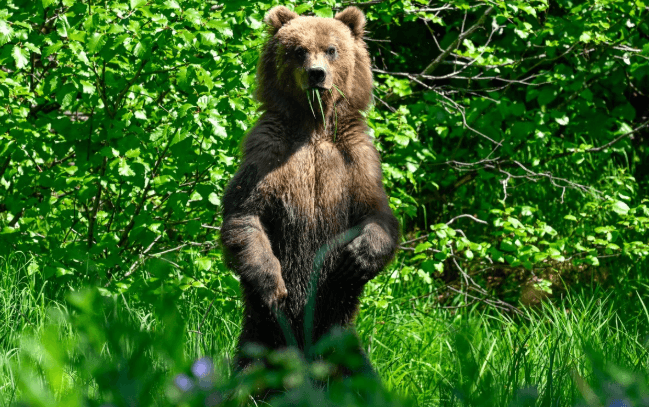
1. Alaska
Alaska stands at the top when it comes to bear populations, offering some of the most untouched wilderness on the planet. The state is home to all three North American bear species, including black bears, grizzly bears, and polar bears. Its vast landscapes of forests, tundra, and coastal regions create ideal conditions for large populations to thrive with minimal human interference. Coastal brown bears are especially famous for their size, often gathering at salmon-rich rivers during spawning season. National parks like Katmai and Denali provide some of the best bear viewing opportunities in the world, where these animals can be seen fishing, hunting, and roaming freely in their natural habitat.
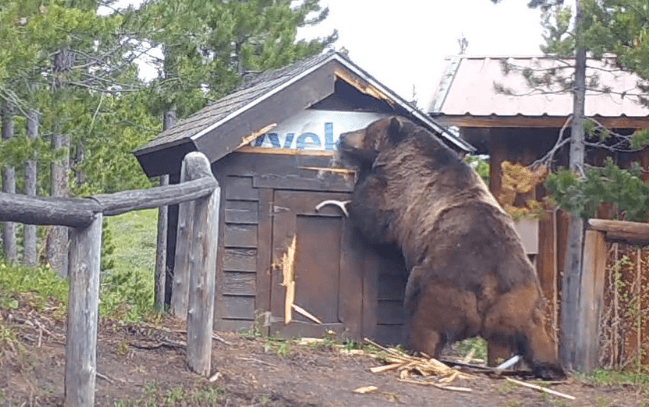
2. Montana
Montana is one of the most important strongholds for grizzly bears in the lower 48 states. Large portions of the state overlap with the Greater Yellowstone Ecosystem, which supports a healthy grizzly population alongside abundant black bears. Protected areas like Glacier National Park and surrounding wilderness regions offer ideal environments with forests, mountains, and open valleys. Bears in Montana often roam vast territories, especially in remote backcountry areas where human activity is limited. The state’s conservation efforts have played a key role in stabilizing and slowly increasing grizzly numbers over the years, making it a critical region for bear recovery in the United States.
3. Wyoming
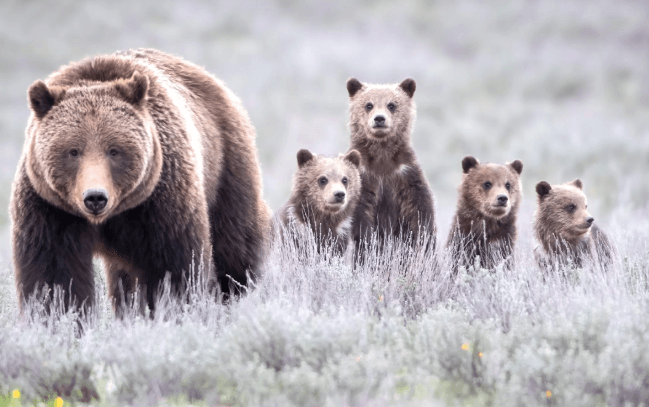
Wyoming is deeply connected to bear country, largely due to Yellowstone National Park and surrounding wilderness areas. The state supports both grizzly and black bear populations, especially in the northern and western regions. Yellowstone serves as one of the most famous wildlife ecosystems in the world, where bears can often be seen foraging in valleys, forests, and near rivers. The Lamar Valley is especially known for frequent sightings. Wyoming’s rugged terrain and strict conservation protections have allowed bear populations to recover significantly over time. Black bears are more widely distributed, while grizzlies remain concentrated in protected zones.
4. California
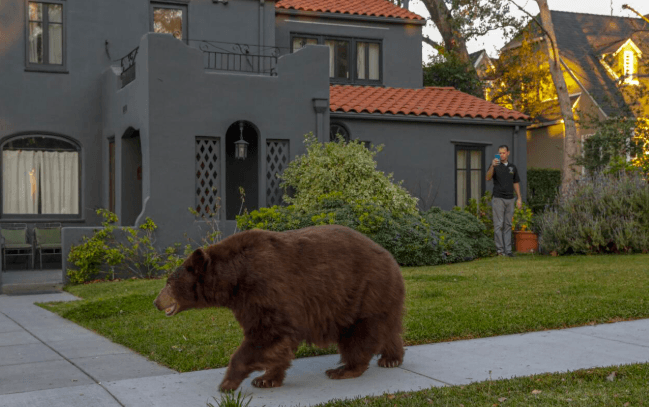
California is one of the strongest black bear states in the country, with a population that continues to grow steadily. Although grizzly bears are no longer found here, black bears have adapted extremely well to the state’s diverse environments. From the Sierra Nevada mountains to forested national parks like Yosemite and Sequoia, bears are widely spread across wild regions. They are also increasingly seen near suburban and rural areas due to expanding human development. California’s varied climate and abundant food sources make it an ideal long-term habitat, allowing bear populations to remain stable and visible in many parts of the state.
5. Colorado
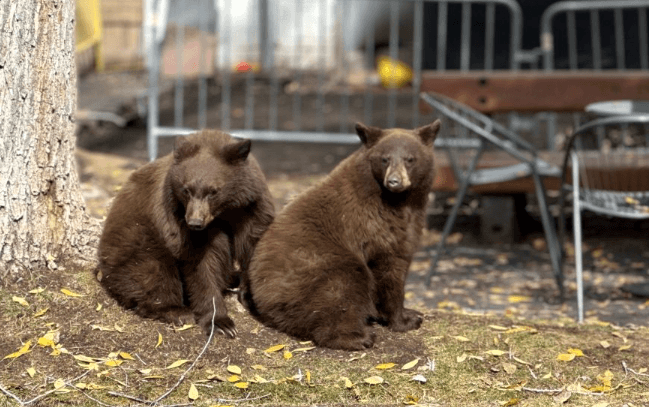
Colorado has a strong and expanding black bear population, supported by its mountainous terrain and forested landscapes. The state is home to an estimated tens of thousands of bears, particularly concentrated on the western slope. Areas such as the Rocky Mountains, Aspen, and Durango provide excellent habitat with dense forests and seasonal food availability. Bears are especially active in late summer and fall when they enter a high-calorie feeding phase before winter hibernation. While grizzly bears are no longer present in Colorado, black bears have adapted well and continue to expand into new regions, sometimes overlapping with human settlements.
6. Washington
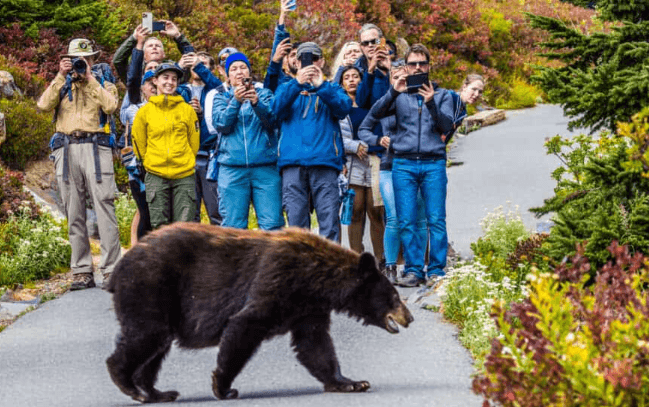
Washington State offers a wide range of bear habitats, from coastal rainforests to alpine mountain regions. Black bears are widespread throughout the state, especially in the Olympic Peninsula and the North Cascades. These areas provide thick vegetation, berries, and remote wilderness that support healthy populations. Sightings are relatively common in national parks, particularly during warmer months when bears descend to lower elevations in search of food. A very small number of grizzly bears still exist in remote northern regions, although encounters are rare. Washington’s mix of protected land and dense forests makes it an important bear habitat in the Pacific Northwest.
7. Idaho
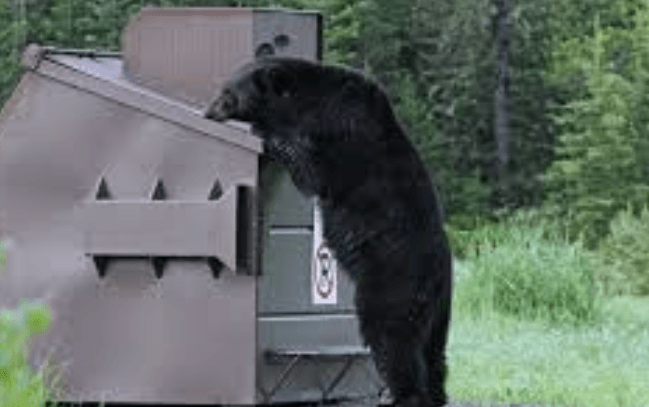
Idaho is one of the most rugged and wild bear states in the country, offering vast stretches of forest and wilderness. Both black bears and grizzly bears are found here, particularly in northern regions near the Selkirk and Cabinet-Yaak ecosystems. The Frank Church River of No Return Wilderness provides one of the largest roadless habitats in the lower 48 states, giving bears a safe and expansive environment. Black bears are more widespread across the state, while grizzlies are limited to remote areas and recovery zones. Idaho’s low population density helps maintain strong bear habitats with limited human disturbance.
8. North Carolina
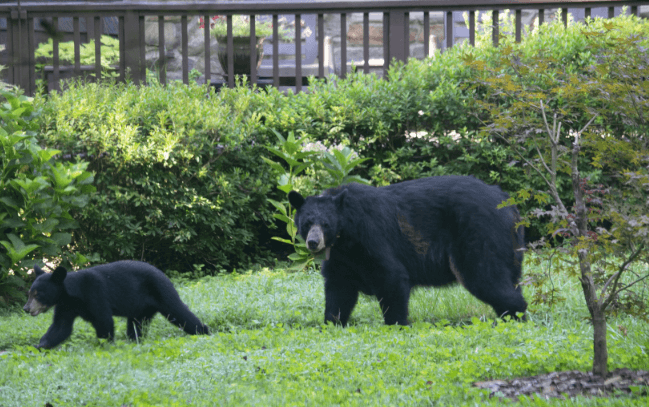
North Carolina has one of the highest black bear densities in the eastern United States. The state’s coastal plains and Appalachian mountain regions both support thriving populations. Great Smoky Mountains National Park is especially known for frequent bear sightings, where black bears are often seen near trails and forest edges. In the coastal region, bears are known for growing larger due to abundant food sources like crops and natural vegetation. Conservation efforts have helped the population recover significantly over the past decades, allowing bears to expand into areas where they were once rare or absent.
9. Minnesota
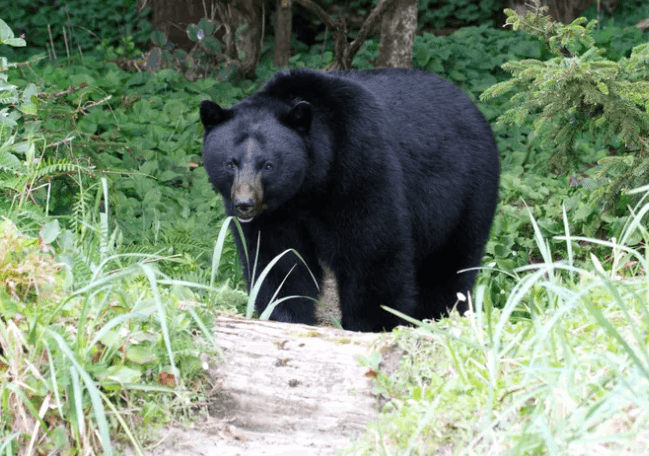
Minnesota’s northern forests provide ideal conditions for a stable black bear population. Most bears are concentrated in the northeastern part of the state, particularly around the Boundary Waters Canoe Area Wilderness and Superior National Forest. These remote landscapes offer dense cover, water sources, and seasonal food that support healthy bear activity. Black bears in Minnesota typically enter hibernation during the colder months, emerging in spring to forage heavily. The state has maintained a balanced population through conservation and monitoring, making it one of the most reliable bear habitats in the Midwest.
10. Maine
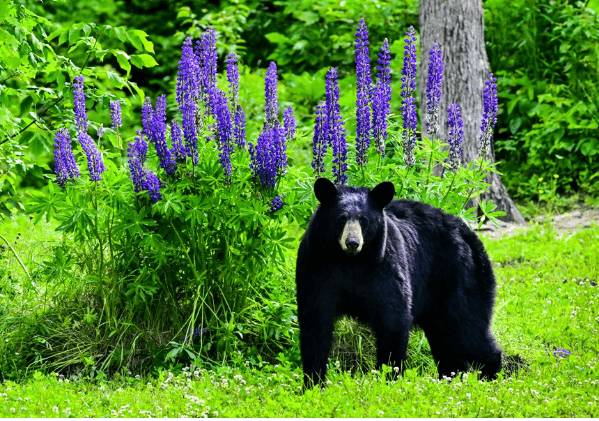
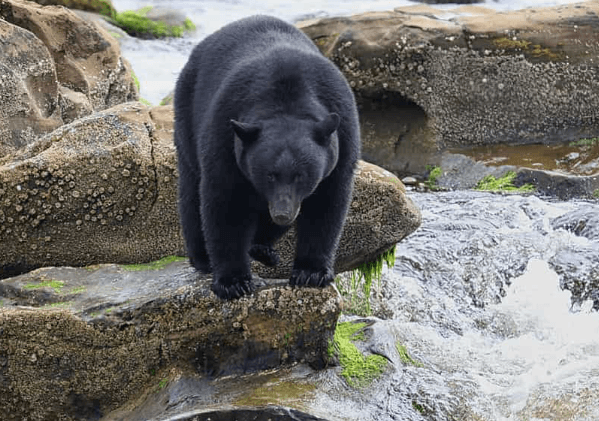
Maine is one of the most heavily forested states in the United States, making it perfect habitat for black bears. With an estimated population of tens of thousands, bears are widely distributed across the state, especially in northern and western regions where human density is low. The thick forests provide both shelter and food sources, allowing bears to thrive year-round. Maine’s long winters lead to extended hibernation periods, while summer months bring increased activity as bears search for berries and other food. The state is considered one of the most important bear strongholds in the eastern U.S.
11. Michigan
Michigan’s Upper Peninsula is the heart of its black bear population, with additional groups in the northern Lower Peninsula. Forests, wetlands, and protected parks provide excellent conditions for bears to live and reproduce. Areas like the Ottawa National Forest and Pictured Rocks National Lakeshore are known for regular sightings. Bears in Michigan have adapted well to both wild and semi-developed environments, sometimes appearing near rural communities. Conservation programs and habitat protection have helped the population remain stable and slowly grow over time.
12. Wisconsin
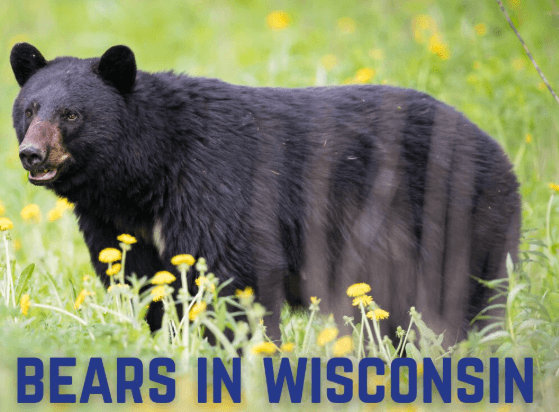
Wisconsin has experienced significant growth in its black bear population over recent decades. The northern third of the state contains the highest density, especially in forested regions like the Chequamegon National Forest. Bears here rely heavily on seasonal foods such as berries and nuts, and they are most active during summer and early fall. Expansion into new areas has been observed as younger bears search for territory. Wisconsin’s management strategies have helped maintain a healthy and expanding population across suitable habitats.
13. Oregon
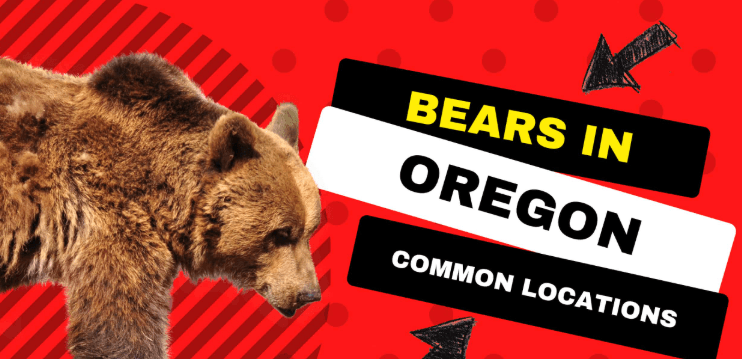
Oregon supports a strong black bear population across its forests, mountains, and coastal regions. The Cascade Range and the Coast Range provide ideal environments with dense vegetation and abundant food sources. Bears are commonly found in remote wilderness areas, but sightings are also reported in rural communities. The state’s mix of wet forests and mountain terrain creates a stable ecosystem for year-round bear activity. Oregon does not have a resident grizzly population, but black bears are widespread and well established.
14. New York
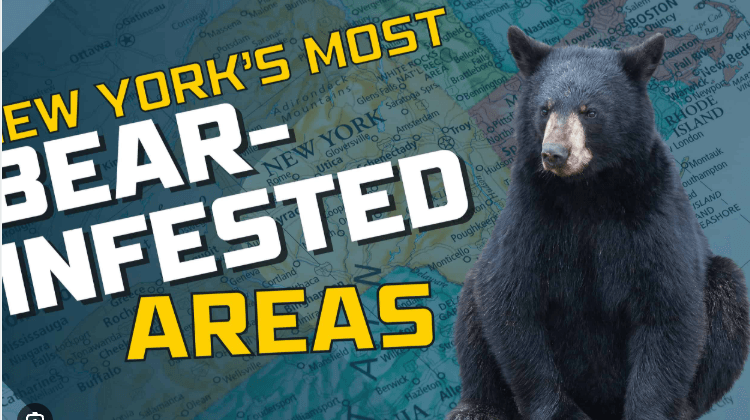
New York State has a growing black bear population, especially in the Adirondack and Catskill regions. These forested mountain areas provide excellent cover and food sources, allowing bears to expand their range. Sightings have become more common in recent years, even in suburban areas near forest edges. The state’s conservation efforts and reforestation have helped create suitable conditions for bears to thrive. Most activity is concentrated in northern and eastern wilderness zones.
15. Pennsylvania
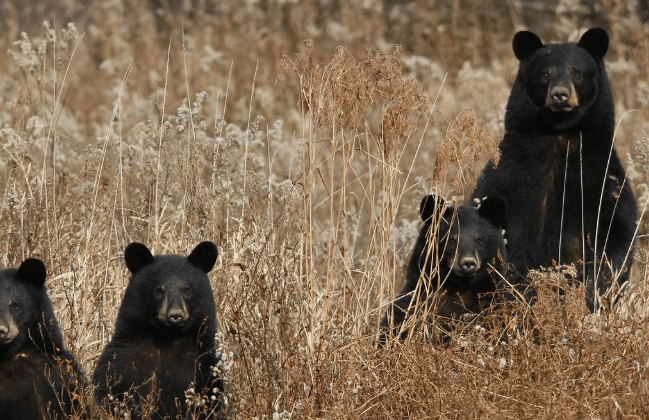
Pennsylvania is one of the most populated black bear states in the eastern United States. Bears are found across much of the state, with higher concentrations in the Pocono Mountains and northern forest regions. Habitat diversity, including forests, farmland edges, and protected parks, supports a growing population. Bears are increasingly seen in rural and suburban areas as they search for food. The state’s management programs have helped maintain a stable and expanding population, making Pennsylvania a key bear habitat in the eastern U.S.