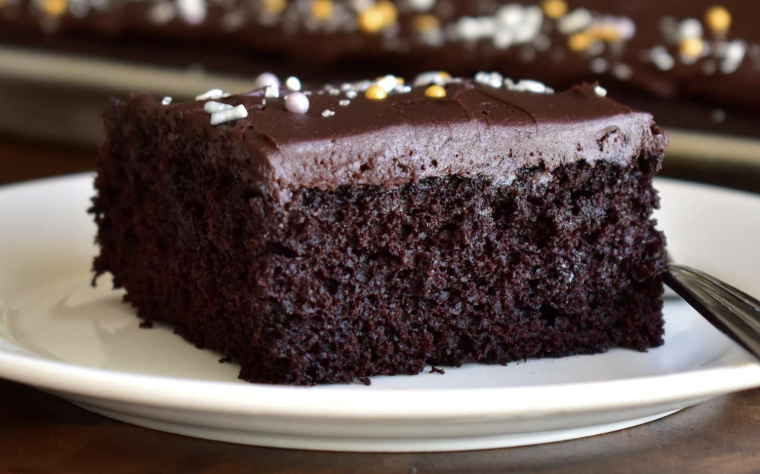
15. Chocolate and Sweet Desserts
While tempting, chocolate bars, cakes, pastries, and other sweets are high in sugar and fat, which can trigger nausea, bloating, and blood sugar spikes. Overindulging in desserts may reduce the appetite-suppressing effect of GLP-1 drugs and slow progress toward weight loss goals.
What to Take Instead Small portions of dark chocolate (70% cocoa or higher) can be enjoyed occasionally. Pairing it with nuts or a small amount of fresh fruit allows you to satisfy cravings without overwhelming digestion or blood sugar control.
Conclusion
Managing your diet while on GLP-1 medications requires mindfulness and planning. By understanding which foods are likely to worsen side effects—such as nausea, bloating, diarrhea, and heartburn—you can make choices that support your weight loss and health goals. High-sugar, fried, spicy, acidic, and high-fat foods tend to interfere most with GLP-1 therapy, while nutrient-dense alternatives enhance the medication’s effectiveness.
Prioritizing lean proteins, whole grains, fiber-rich vegetables, low-sugar fruits, and healthy fats can stabilize blood sugar, improve satiety, and reduce gastrointestinal discomfort. Careful hydration with water and herbal teas further supports digestion and overall wellness. Gradually introducing fiber and mildly acidic foods allows your body to adjust without triggering nausea or bloating.
Working with a registered dietitian or healthcare professional can help create a personalized meal plan that complements GLP-1 therapy. Understanding portion control, nutrient timing, and suitable food swaps is key to long-term success. When used alongside a balanced diet, GLP-1 medications can be a powerful tool in managing weight and blood sugar. Avoiding the wrong foods while embracing healthier alternatives ensures that therapy is not only effective but also safe and sustainable for your lifestyle.