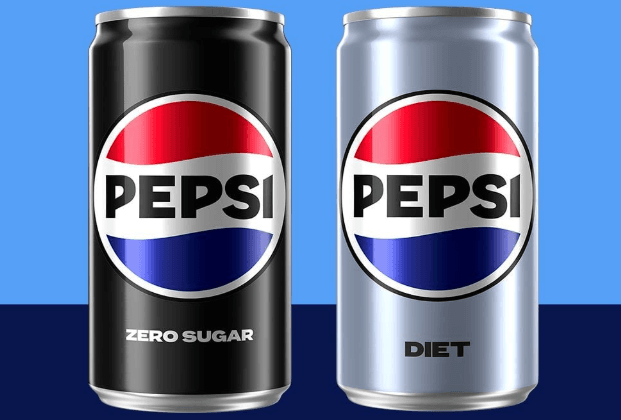
Millions of people choose diet or zero-sugar sodas every day to reduce their sugar intake or manage their weight. These drinks promise the same sweet taste as regular soda but without the high calories that come from sugar. Because both options are marketed as healthier alternatives, many consumers assume they are exactly the same. In reality, diet and zero-sugar sodas are slightly different in how they are formulated and how the body reacts to them.
Although both types of drinks rely on artificial sweeteners instead of sugar, the ingredients and flavor design are not identical. Understanding these differences helps explain why beverage companies offer both options and why they may affect appetite and metabolism in different ways.
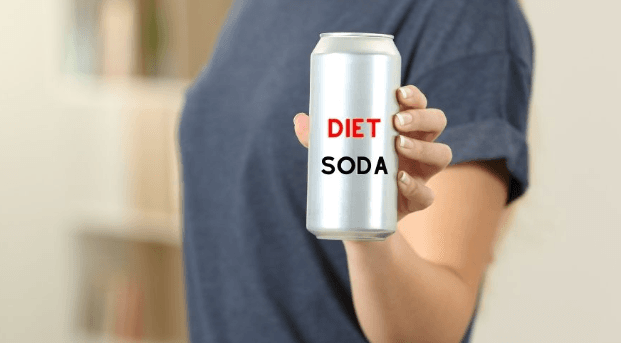
What are diet sodas?
Diet sodas were introduced decades ago as a low-calorie alternative to traditional soft drinks. They replace sugar with artificial sweeteners that provide sweetness without adding calories.
Common sweeteners used in diet sodas include:
- Aspartame
- Saccharin
- Acesulfame potassium
These ingredients are extremely sweet compared to sugar, so only a small amount is needed. This allows manufacturers to produce beverages that contain almost no calories.
Diet sodas are designed to reduce calorie intake, but many people notice that the flavor does not exactly match the taste of the original sugary version. Some consumers also report a slightly bitter or artificial aftertaste.
What are zero-sugar sodas?
Zero sugar sodas are a newer type of soft drink developed to better replicate the flavor of regular soda. Like diet drinks, they contain no sugar and very few calories.
However, zero sugar formulas usually combine several artificial sweeteners instead of relying on just one. The goal is to mimic the balance and sweetness of real sugar more closely.
Because of this approach, zero sugar sodas are often marketed as having a taste that is closer to the classic full-sugar version. The difference is mostly related to flavor design rather than calorie content, since both drinks contain little or no sugar.
How artificial sweeteners affect the body
When the body consumes sugar, it triggers a series of biological responses. Glucose enters the bloodstream, hormones related to energy balance are released, and the brain receives signals that the body has received calories. These processes help create the feeling of fullness.
Artificial sweeteners can change this process. Some research suggests that sweeteners such as sucralose may stimulate areas of the brain involved in hunger regulation. Unlike sugar, these sweeteners provide sweetness without delivering energy in the form of calories.
This mismatch between sweetness and calories may confuse the body’s normal signaling system. The brain expects nutrients to follow the sweet taste, but when they do not arrive, appetite signals may remain active.

Can zero-sugar sodas lead to weight gain?
Researchers are still studying the long-term effects of artificial sweeteners on metabolism and body weight. Some studies suggest that frequent consumption of artificially sweetened beverages may be associated with higher risks of obesity or type 2 diabetes.
Other studies have produced different results. In some cases, replacing sugary drinks with diet or zero sugar alternatives has been linked to modest weight loss, especially when it is part of a structured diet.
Because of these mixed findings, scientists continue to debate the exact role of artificial sweeteners in weight control. While they remove sugar and calories from beverages, they may still influence appetite and metabolic responses in complex ways.
Why do people continue to drink sugar-free sodas?
Hunger alone does not determine when people eat or drink something. Taste preferences, social habits, and the desire for a sweet flavor often influence beverage choices.
For many consumers, diet and zero-sugar sodas offer a way to enjoy sweet drinks without consuming the large amounts of sugar found in traditional soft drinks. This explains why both versions remain popular options in the beverage market.
In simple terms, the main difference between diet and zero-sugar sodas lies in their formulation and taste design. Both aim to eliminate sugar and calories, but zero sugar versions are typically created to taste more like the original drink while using a blend of artificial sweeteners to achieve that result.