Choosing the right health strategy isn’t just about dieting or following a food rebalancing program—it’s also about understanding your overall well-being, including how your lifestyle choices affect long-term health. Just as people weigh options between programs like Croq’Kilos and Weight Watchers to manage their weight, researchers are exploring ways to prevent, detect, and treat serious diseases like cancer. Over the past decade, French cancer research has made remarkable advances that offer hope and guidance for patients worldwide.
Coordinated Research for Better Outcomes
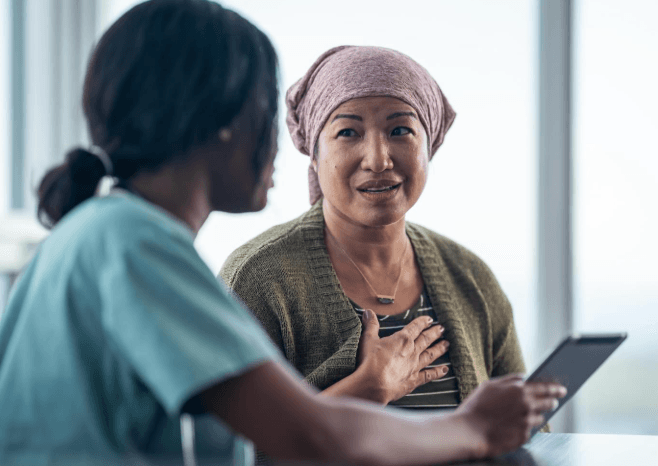
French cancer research is among the most advanced in the world. Coordinated by the National Cancer Institute (INCa) alongside organizations such as Inserm, French universities, and patient associations, research teams combine medicine, biology, and social sciences to understand cancer from multiple perspectives. This integrated approach not only drives scientific discovery but also improves patient care, helping patients and their families navigate complex treatments.
Early Detection Saves Lives
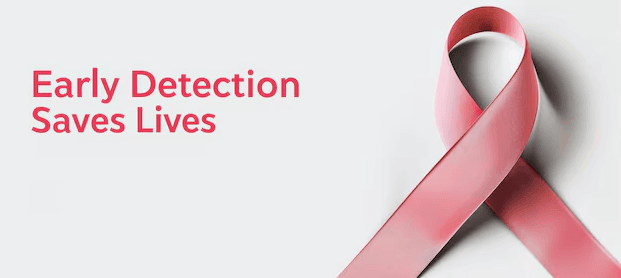
Screening remains one of the most effective tools against cancer. Detecting tumors early significantly increases the chances of recovery and often reduces the intensity of treatment. In France, organized screening programs exist for breast, colorectal, and cervical cancers, while lung cancer screening is being considered. Additionally, individual screening for skin or oral cancers is widely available through dermatologists and dentists. Modern imaging technologies, including CT scans, MRI, ultrasound, PET scans, and endoscopy, allow physicians to detect cancer earlier and with greater precision.
Understanding the Genetics of Cancer
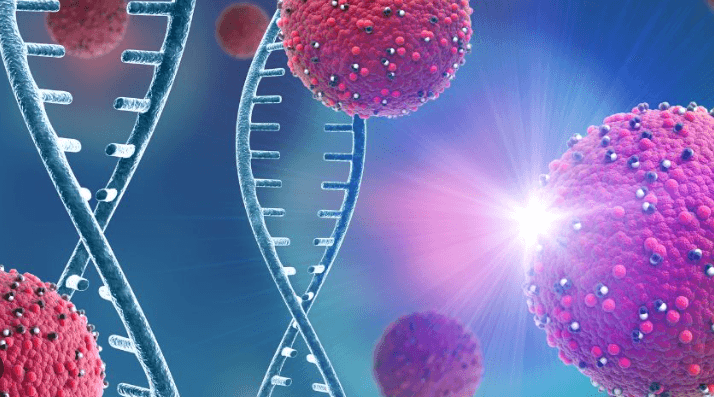
Breakthroughs in genetics and cell biology have transformed our understanding of how cancer develops. Researchers have uncovered how mutations in a cell’s DNA can create cancerous cells that evade the immune system, multiply, and form tumors. Discoveries about “signaling pathways”—how cells communicate within the body—have led to therapies targeting specific genetic changes, offering personalized treatment plans for cancers of the lung, colon, lymph nodes, and more.
Immunotherapy Teaching the Body to Fight Cancer
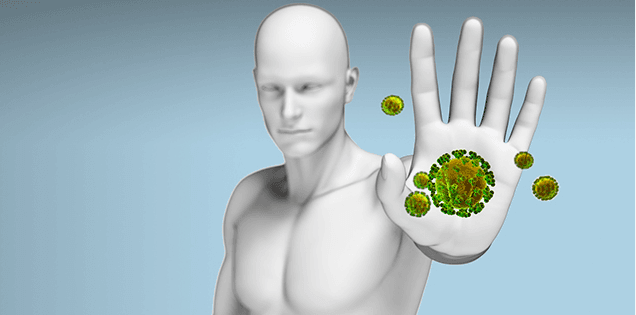
Immunotherapy, which trains the immune system to recognize and attack cancer cells, has become a cornerstone of modern cancer treatment. Early results are particularly promising in certain breast cancers. Scientists are also investigating tumor stem cells and rare precursor cells, aiming to prevent cancers from returning after treatment. Advances in radiotherapy, surgery, and imaging further enhance precision, reducing side effects and improving patient outcomes.
Artificial Intelligence in Cancer Care
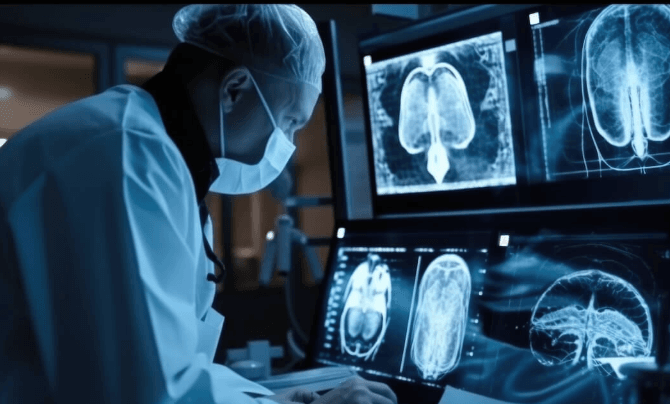
AI is playing an increasing role in cancer research and treatment. By analyzing thousands of medical images, AI can predict how well a patient may respond to immunotherapy, helping doctors personalize care. French hospitals and research centers are collaborating on initiatives like the Federated-PET project, which pools patient data to improve AI models for better diagnostics and treatment planning.
Therapeutic Vaccines The Next Frontier
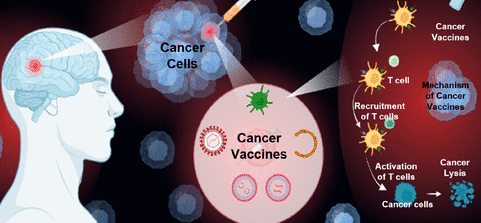
Vaccines have long prevented cancer caused by viruses, such as hepatitis B and HPV. Now, researchers are developing therapeutic vaccines designed to treat existing cancers or prevent recurrence. Using advanced mRNA technology, these vaccines expose the immune system to cancer-specific genetic mutations, stimulating it to attack tumor cells. Most are currently in clinical trials but hold great promise for the future.

Lifestyle and Health Small Choices, Big Impact
Just as following a structured diet can support weight loss, adopting a healthy lifestyle influences cancer risk. Diet, regular screening, and awareness of environmental and genetic factors play a critical role in prevention. Modern programs like Croq’Kilos or Weight Watchers encourage balanced eating and healthy habits, which complement medical strategies to reduce chronic disease risk.
The Road Ahead
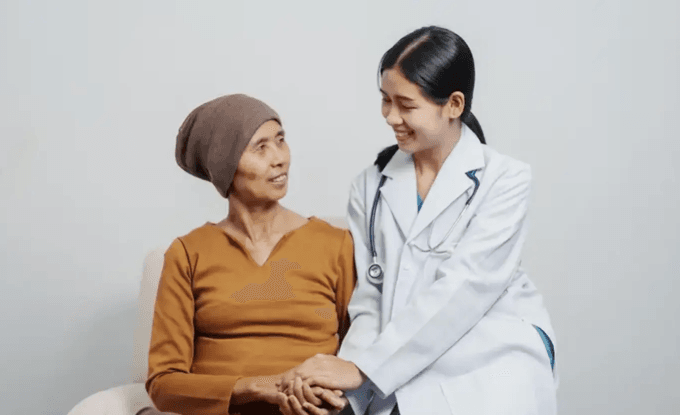
Cancer researchers are working tirelessly, with over 4,000 scientists involved across disciplines. Their goal is clear: improve both survival rates and quality of life for patients. Today, 1 in 2 cancers is cured, up from 1 in 3 twenty years ago, thanks to these breakthroughs. Public funding, private sponsorship, and patient engagement all help accelerate this progress, providing hope that one day cancer will become fully manageable or even preventable.