Turning 40 is a turning point for how your body responds to food. Metabolism slows, muscle mass gradually declines, and recovery is not as quick as it once was. Habits that felt harmless in your 20s and 30s, like frequent sugary snacks or heavy processed meals, can start affecting energy levels, weight, and overall health.
This stage of life is less about restriction and more about awareness. Certain foods can place extra strain on digestion, blood sugar, and inflammation after 40, making smart choices more important than ever. The guide below highlights 20 foods to reconsider and practical alternatives that support long-term energy, balance, and well-being without sacrificing enjoyment.
1. Sugary Beverages and Sodas
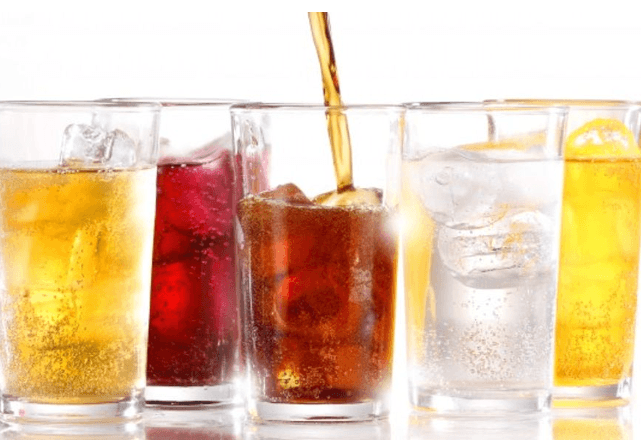
Liquid sugar is one of the most damaging dietary components after 40. Your body no longer processes high-fructose corn syrup efficiently. These drinks spike insulin and increase visceral fat around the abdomen. Chronic consumption also fuels systemic inflammation, which can aggravate joints and accelerate aging. Energy levels can crash quickly after drinking a soda, leaving you fatigued. Blood sugar spikes also increase the risk of insulin resistance, which becomes more common as we age.
The Swap Hydrate with sparkling water infused with lemon or lime, unsweetened iced teas, or plain water to keep metabolism steady and inflammation low.
2. Highly Processed Snacks
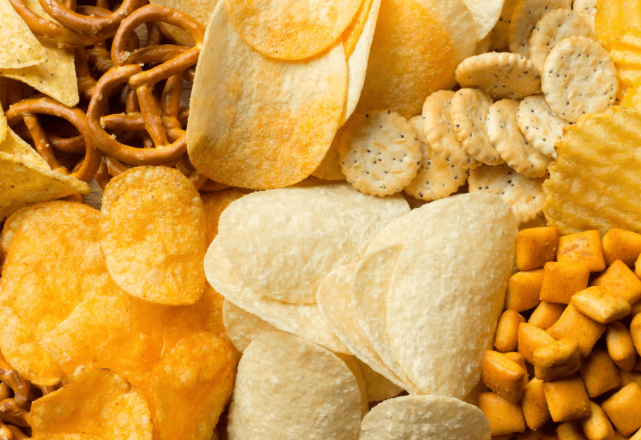
Packaged pastries, neon-colored chips, and mass-produced cookies provide almost no nutritional value. They are loaded with refined flour, unhealthy fats, and sodium. After 40, your body needs protein and fiber to maintain muscle and digestive health Eating these snacks often leaves you hungry shortly after, triggering overeating. The cumulative impact on blood sugar, inflammation, and weight management can be profound.
The Swap Replace ultra-processed snacks with nuts, seeds, fresh fruit, or homemade protein bars to stay satisfied while supporting metabolic health.
3. Processed and Cured Meats
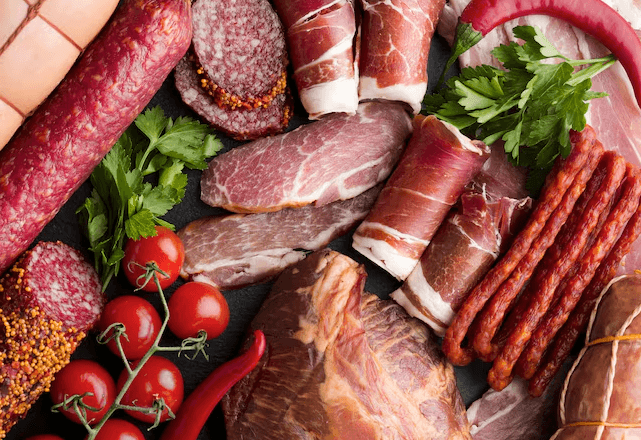
Deli meats, bacon, hot dogs, and sausages are high in saturated fats, sodium, and nitrates. Excess sodium stresses the cardiovascular system, which is increasingly vulnerable as arteries stiffen with age. Nitrates can contribute to inflammation and oxidative stress. Regular consumption is linked to a higher risk of heart disease and metabolic issues, particularly after 40, when blood pressure may naturally rise.
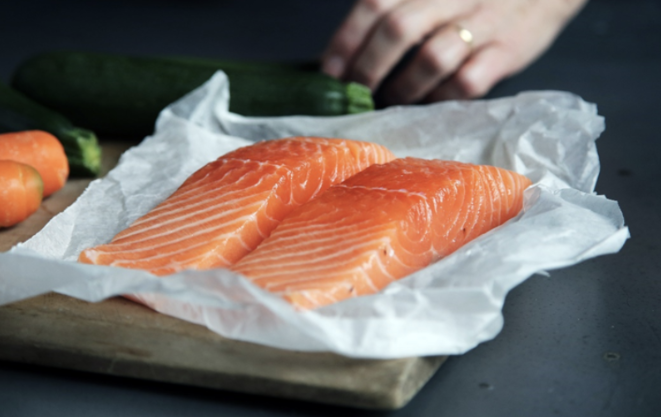
The Swap Lean, unprocessed proteins such as grilled chicken, fish rich in omega-3s like salmon, or plant-based proteins like lentils provide heart-healthy alternatives.
4. Refined White Carbs
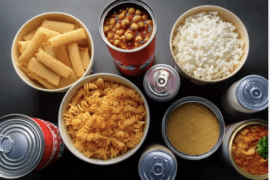
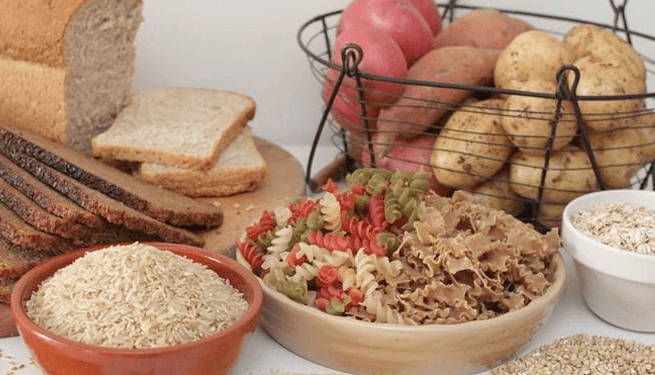
White bread, pasta, and rice are stripped of fiber and nutrients. These foods convert quickly into glucose, causing blood sugar spikes followed by crashes. After 40, steady blood sugar is critical for energy, weight management, and overall health. Repeated consumption can contribute to insulin resistance, increased abdominal fat, and systemic inflammation.
The Swap Whole grains such as quinoa, brown rice, barley, or whole-wheat pasta deliver fiber and sustained energy.

5. Excessive Alcohol
The liver’s efficiency declines with age, making alcohol harder to metabolize. Hangovers last longer, sleep quality suffers, and calories from alcohol can contribute to weight gain. Over time, chronic consumption increases inflammation and impacts heart and liver health.
The Swap Moderate consumption to a glass of red wine or a light cocktail occasionally, or choose herbal teas and sparkling water for social situations.

6. Fried Foods
Fried foods, including French fries, fried chicken, and deep-fried snacks, are a major source of trans fats and oxidized oils. These compounds promote systemic inflammation, which can contribute to cardiovascular strain, joint stiffness, and insulin resistance. After 40, your body’s ability to repair oxidative damage slows down, making it more vulnerable to the harmful effects of repeatedly consuming fried foods
Beyond inflammation, fried foods often carry a high caloric load without delivering meaningful nutrients. Consuming them frequently can contribute to weight gain, especially around the abdomen, and increase the risk of metabolic syndrome. It’s also important to note that frying often degrades vitamins and essential fatty acids, further reducing the nutritional value of the meal.
The Swap focuses on cooking methods like roasting, grilling, steaming, or sautéing in small amounts of healthy fats such as olive oil or avocado oil. Not only does this preserve nutrients, but it also supports cardiovascular health and keeps flavors rich and satisfying.
7. Full-Fat Dairy Products
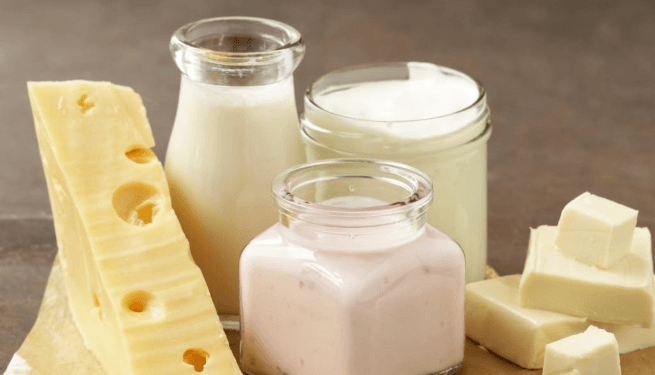
Whole milk, cream, and certain cheeses are high in saturated fat, which can increase LDL cholesterol levels over time. After 40, the cardiovascular system naturally becomes more susceptible to plaque buildup and reduced arterial flexibility, making the moderation of saturated fat a critical concern.
Many full-fat dairy products also contain significant amounts of calories. Without the same level of activity or metabolic efficiency as in earlier years, it is easier to gain weight, especially in the abdominal area. Additionally, some people develop lactose intolerance as they age, leading to bloating, gas, and digestive discomfort when consuming these products.
The Swap Choose low-fat or plant-based alternatives such as almond milk, oat milk, or Greek yogurt with reduced fat content. These options provide calcium and protein while limiting excess saturated fat, supporting bone and heart health simultaneously.
8. Fast Food Meals
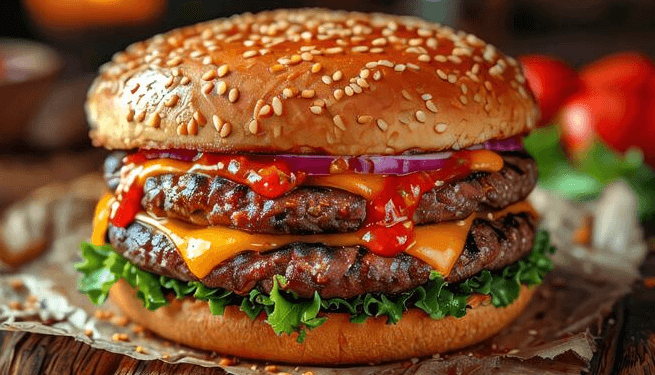
Fast food may seem convenient and satisfying, but it is typically high in sodium, sugar, and unhealthy fats. After 40, these elements can exacerbate blood pressure issues, strain the liver, and promote systemic inflammation. The combination of refined carbohydrates, fatty meats, and sugary sauces makes these meals a triple threat to energy regulation and cardiovascular health.
Frequent fast food consumption can also disturb gut health, as processed ingredients often lack prebiotics and fiber necessary for maintaining a healthy microbiome. A disrupted microbiome may contribute to slower digestion, bloating, and even mood fluctuations, which become more noticeable with age.
The Swap Prepare quick, home-cooked meals with lean proteins, whole grains, and fresh vegetables. Meal prepping can ensure convenience while keeping nutrition at the forefront, reducing dependence on processed fast foods that do little for long-term health.
9. Artificial Sweeteners
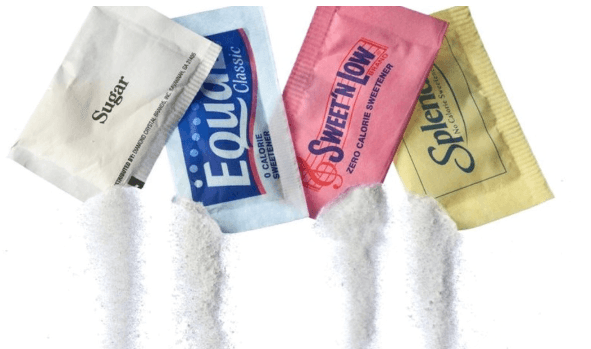
Artificial sweeteners such as aspartame, sucralose, and saccharin are often used as substitutes for sugar. While they may seem harmless, evidence shows that chronic use can disrupt gut bacteria, impair glucose metabolism, and increase cravings for sweet foods. After 40, the body is less forgiving when it comes to metabolic imbalances, so reliance on these substitutes can backfire, potentially contributing to weight gain and insulin resistance.
The Swap Use natural flavor enhancers such as cinnamon, vanilla extract, or small amounts of honey or maple syrup to satisfy a sweet tooth without overloading the system with synthetic chemicals. These natural options also provide trace antioxidants and nutrients, supporting both taste and health.
10. Packaged Breakfast Cereals
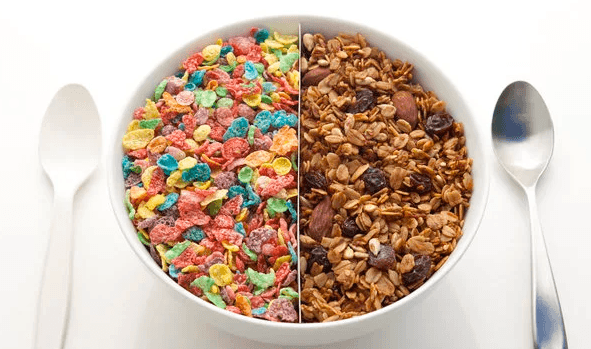
Many popular breakfast cereals are highly processed and loaded with sugar and refined grains. After 40, eating these cereals can trigger rapid spikes in blood sugar followed by energy crashes. This rollercoaster not only affects your morning productivity but also increases the risk of insulin resistance, weight gain, and chronic inflammation over time.
Additionally, most packaged cereals are low in protein and fiber, leaving you hungry sooner and encouraging unhealthy snacking throughout the day. Over years, this pattern can strain metabolism and contribute to cardiovascular risk.
The Swap Opt for steel-cut oats, quinoa porridge, or high-protein granola made with nuts and seeds. These choices provide sustained energy, fiber, and essential nutrients that support both brain and body function as you age.

11. Margarine and Shortening
Though often marketed as a healthier alternative to butter, margarine and shortening are frequently high in trans fats. Trans fats promote inflammation, elevate LDL cholesterol, and reduce HDL cholesterol, all of which can accelerate cardiovascular aging. After 40, even occasional consumption can have cumulative effects on heart health.
Trans fats are also linked to insulin resistance, which can exacerbate fat storage, particularly around the waist. Since metabolic efficiency declines with age, the body becomes less capable of counteracting these adverse effects.
The Swap Use healthy fats such as extra virgin olive oil, avocado oil, or small amounts of grass-fed butter. These fats provide essential fatty acids that support hormone balance, brain function, and cardiovascular health.

12. Ice Cream and Frozen Dessert
Ice cream is a treat beloved by many, but after 40, the sugar and fat content can have amplified effects on metabolism and inflammation. High sugar intake encourages fat storage, while saturated fat can raise cholesterol levels. The combination can contribute to weight gain, especially around the abdomen, and elevate the risk of insulin resistance.
Additionally, frozen desserts often contain additives, preservatives, and artificial flavors that may exacerbate digestive issues. The body’s ability to process these ingredients efficiently diminishes with age, making moderation particularly important.
The Swap Choose homemade frozen yogurt, fruit-based sorbets, or small portions of dark chocolate frozen treats. These options provide sweetness with added nutrients and antioxidants, offering indulgence without the same metabolic burden.
13. Deep-Fried Snacks
Deep-fried snacks such as onion rings, potato chips, and battered appetizers are calorie-dense and nutrient-poor. The high levels of oxidized oils and unhealthy fats can increase systemic inflammation, compromise heart health, and accelerate the aging process. Regular consumption can also lead to insulin spikes and increased abdominal fat deposition.
Beyond metabolic effects, deep-fried foods often lead to digestive sluggishness, bloating, and discomfort, which may be more pronounced after 40. Repeated intake can strain liver function and contribute to long-term oxidative stress.
The Swap Oven-baked versions or air-fried snacks provide a similar crunchy texture with far fewer unhealthy fats. Pairing these with herbs and spices enhances flavor while supporting nutrient intake and heart health.
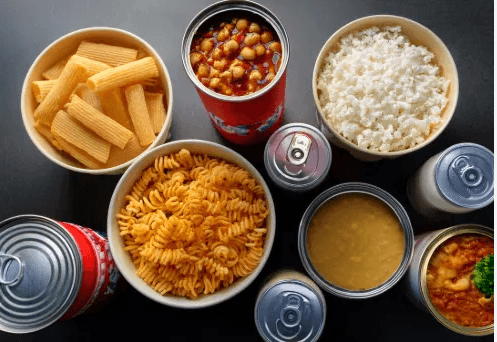
14. High-Sodium Convenience Foods
Canned soups, frozen dinners, and pre-packaged meals are notorious for high sodium content. Excess sodium can elevate blood pressure and place additional strain on the kidneys and cardiovascular health. After 40, the body becomes less efficient at maintaining sodium balance, increasing susceptibility to water retention and hypertension.
These meals are also often low in fiber and essential micronutrients, meaning they satisfy hunger but fail to nourish the body adequately. Over time, reliance on high-sodium convenience foods can contribute to chronic disease development.
The Swap Choose fresh or frozen vegetables, cook homemade soups with herbs and spices, and use low-sodium broths. These strategies maintain flavor while reducing the risk of blood pressure elevation and promoting overall health.
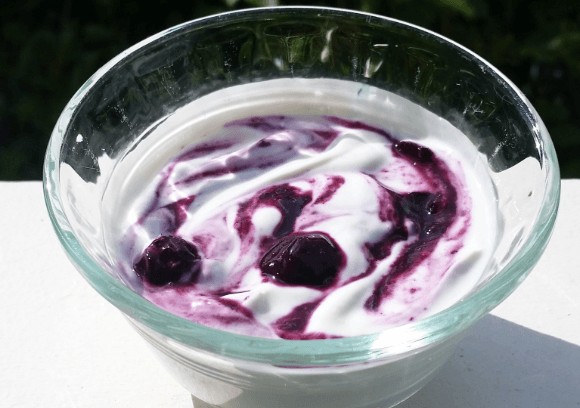
15. Sweetened Yogurts
Many fruit-flavored yogurts contain large amounts of added sugar. While yogurt itself is a source of protein and probiotics, the sugar can offset these benefits, leading to blood sugar spikes and weight gain. After 40, regulating blood sugar becomes more challenging, and excessively sweetened yogurt can contribute to insulin resistance and metabolic strain.
The Swap Opt for plain Greek yogurt and sweeten naturally with fresh fruit, a drizzle of honey, or nuts and seeds. This approach preserves the beneficial probiotics while minimizing sugar intake, supporting digestive health and steady energy.
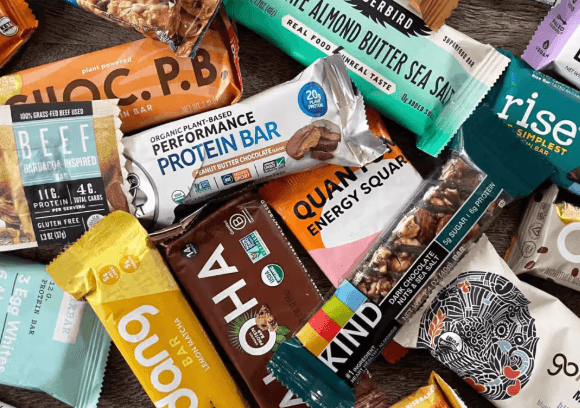
16. Packaged Protein Bars
Packaged protein bars can be convenient but often contain hidden sugars, artificial sweeteners, and highly processed ingredients. These additives can impair digestion, increase inflammation, and promote fat storage when consumed frequently. After 40, the body’s response to these ingredients is slower, making it more important to focus on whole foods for protein.
The Swap Make your own protein bars at home with oats, nuts, seeds, and natural protein powders, or choose minimally processed bars with recognizable ingredients. This ensures nutrient density without compromising metabolism or heart health.

17. Margarine Spreads
Some spreads are marketed as healthy alternatives, but many contain hydrogenated oils that increase trans fat intake. Trans fats are linked to systemic inflammation, arterial stiffness, and higher cardiovascular risk. With advancing age, the impact of trans fats is magnified, potentially accelerating plaque buildup and metabolic dysfunction.
The Swap Use avocado, nut butters, or olive oil-based spreads. These options provide healthy fats that support hormone regulation, satiety, and cardiovascular health.
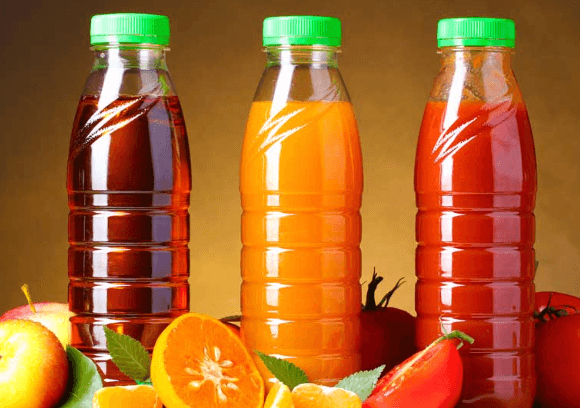
18. Commercial Fruit Juices
Even 100 percent fruit juices can be problematic, as they are high in concentrated sugar and lack the fiber present in whole fruits. After 40, rapid sugar absorption can spike insulin levels, promote fat storage, and contribute to metabolic syndrome. Juice consumption also often replaces whole fruit intake, reducing overall nutrient density.
The Swap Focus on whole fruits, smoothies made with whole fruits and vegetables, or diluted juice blends with water to maintain hydration and nutrient intake without excessive sugar.

19. Sweetened Breakfast Pastries
Pastries, muffins, and danishes often contain refined flour, added sugars, and trans fats. Consuming these treats regularly can contribute to insulin resistance, abdominal fat gain, and chronic inflammation. After 40, energy fluctuations and weight gain are amplified by these foods, making moderation essential.
The Swap Choose whole-grain baked goods made at home with natural sweeteners, or snack on fruit and nuts for a satisfying combination of protein, fiber, and natural sweetness.

20. Energy Drinks
Energy drinks often combine high doses of caffeine, sugar, and artificial additives. While they may provide a temporary boost, the crash that follows can impair focus, elevate stress hormones, and disrupt sleep cycles. After 40, sleep quality and adrenal resilience naturally decline, making these effects more pronounced and potentially harmful.
The Swap Opt for green tea, herbal teas, or moderate coffee consumption. Pairing with protein or fiber-rich snacks can sustain energy levels without overstimulating the nervous system or compromising long-term health.