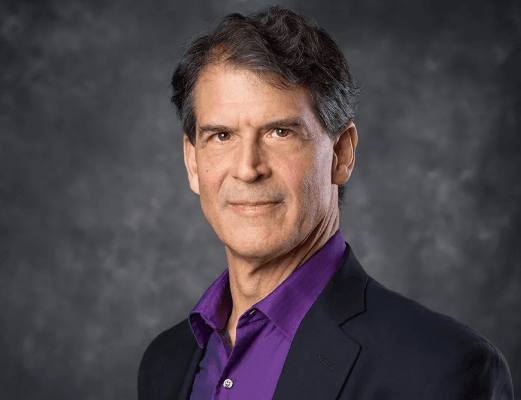
10. Eben Alexander
Neurosurgeon Eben Alexander entered a week-long coma after contracting a rare and aggressive form of bacterial meningitis. According to medical standards, his brain should not have been capable of producing conscious experiences during this period. Yet Alexander later described an elaborate and structured journey that he insists occurred while his brain was effectively offline.
He recalled entering a vast, vivid realm filled with landscapes, colors, and sound. This place felt more real than ordinary life, populated by beings that radiated joy and acceptance. Music seemed to exist everywhere, not heard through ears but felt directly within awareness. There was no fear, confusion, or pain. Only clarity and belonging.
When Alexander woke up, doctors were stunned that he had survived with no brain damage. His experience challenged his prior scientific beliefs and led him to reconsider the nature of consciousness itself. To him, dying was not a collapse into nothingness. It was an expansion into a richer, more meaningful state of existence that continued even when the brain could not function.
Conclusion
Across cultures, ages, belief systems, and medical circumstances, these accounts share striking similarities. Whether caused by illness, trauma, or sudden cardiac failure, individuals who were pronounced dead and later revived often describe death not as chaos or terror, but as a state of heightened awareness, peace, and detachment from physical pain. One of the most consistent themes is the absence of fear. Many describe dying as calm, even comforting, which sharply contrasts with common cultural anxieties surrounding death.
Another recurring element is the sensation of separation from the physical body. People frequently report observing their surroundings from above or feeling untethered from physical limitations. This detachment often comes with a sense of clarity and understanding that feels more real than waking life. Time, as we perceive it, seems to dissolve. Moments stretch or collapse, and experiences feel simultaneous rather than sequential.
Light also appears repeatedly, often described as bright but gentle, radiant rather than blinding. This light is almost always associated with warmth, love, and acceptance. Even in accounts where fear initially appears, such as experiences of darkness or voids, that fear often transitions into peace once the individual relinquishes resistance. The emotional tone of these experiences tends to be deeply positive, regardless of the person’s prior beliefs about religion or the afterlife.
From a scientific perspective, these experiences raise complex questions. While some researchers attribute them to neurological responses during oxygen deprivation or brain stress, others point out that many patients report clear, structured memories during periods when brain activity should be minimal or absent. This challenges long-standing assumptions about consciousness and its dependence on physical brain function.
Ultimately, these stories do not offer definitive proof of what happens after death, but they do provide insight into how death is experienced by those who briefly cross its threshold. For many, dying is not an end filled with fear, but a transition marked by peace, clarity, and connection. Whether viewed through a spiritual or scientific lens, these experiences suggest that the moment of death may be far gentler and more profound than we are taught to believe.