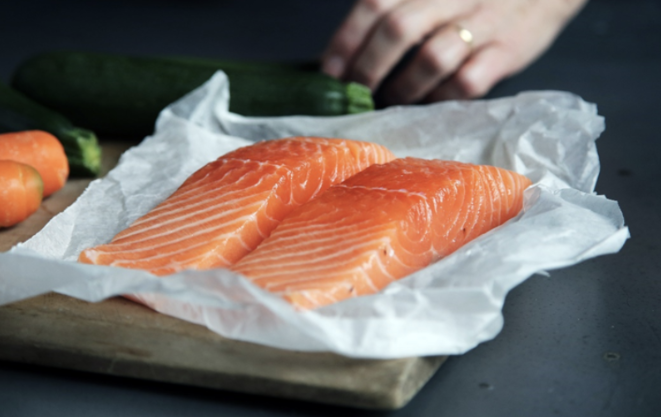
Cooking steak perfectly is about more than just throwing it in a pan. Experts agree that temperature control, timing, and technique are crucial to preserve flavor, tenderness, and juiciness. Chef John Smith notes, “High heat is essential to sear the exterior, which locks in the juices and develops the Maillard reaction, giving steak its signature flavor.” Nutritionists also point out that undercooking can affect digestibility, while overcooking can reduce certain nutrients. Properly resting the steak after cooking allows juices to redistribute, ensuring every bite is flavorful and tender.
What Is a Steak?
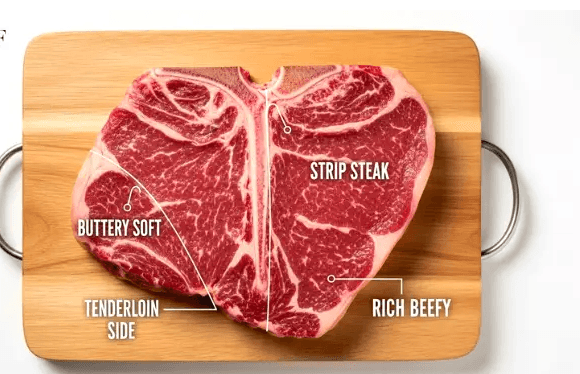
According to culinary experts, “steak” refers to any slice of beef intended for quick cooking, but the term does not specify thickness or cut. Common varieties include sirloin, rump, flank, and round, each offering distinct textures and flavors. Chef Emma Rogers explains, “Knowing the cut is essential; thicker steaks need different heat control than thin slices.” Steaks differ from larger cuts like chateaubriand or tournedos, which are cooked slowly. Even minced beef shaped into patties can be called steak, but experts warn that whole cuts retain more moisture and flavor if cooked correctly.
Essential Steps for a Perfect Steak
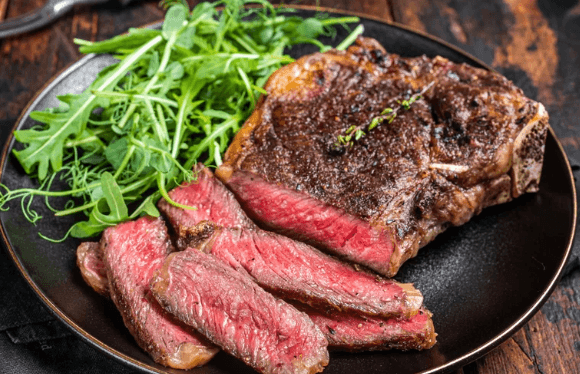
Experts emphasize three key steps for steak perfection: let the meat rest at room temperature for 30 minutes, avoid pressing it while cooking, and rest it under foil for 5–10 minutes after cooking. Chef Marco Antonio advises, “Piercing the meat releases juices, making it dry. Resting allows fibers to relax, ensuring tenderness.” Nutritionists add that cooking over even heat maintains protein quality without unnecessary nutrient loss. Adding aromatics like rosemary or garlic midway through cooking enhances flavor without extra calories. Following these steps ensures juicy, well-seasoned steak every time.
Cooking Steak Low Heat or High Heat?
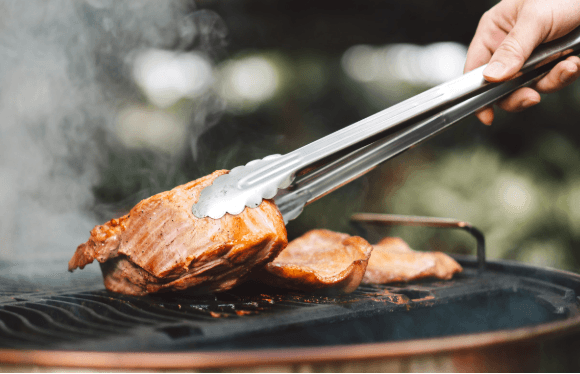
It’s a common myth that low heat preserves steak while high heat overcooks it. Experts agree that high heat is crucial for searing and creating a flavorful crust. Chef Anna Lee explains, “Sear each side over high heat for 30–60 seconds, then reduce the heat to cook the center. This method locks in juices while caramelizing the surface.” High heat initially enhances flavor, while medium or medium-low finishing ensures the interior reaches the desired doneness. Culinary scientists confirm that this technique improves texture, aroma, and the overall eating experience.
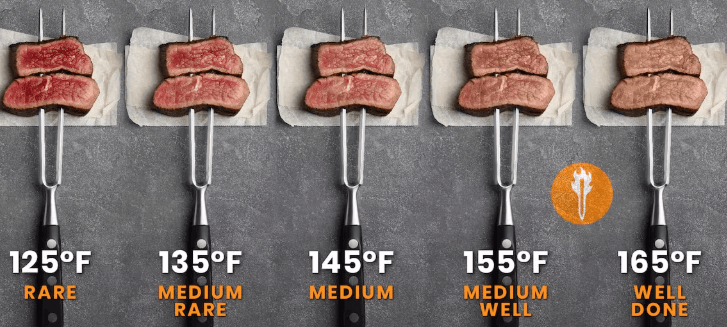
Cooking Times for Steak by Doneness
Cooking time depends on thickness and preferred doneness. For a 2–3 cm thick steak: “blue” takes 30–60 seconds per side, rare 1–2 minutes, and medium-rare 3–4 minutes. Chef John Smith recommends using an internal thermometer for accuracy: 45–50°C for blue, 50–55°C for rare, 55–60°C for medium-rare. Experts highlight that visual cues and touch tests can supplement thermometers for home cooks. Correct timing ensures a tender, juicy steak with a caramelized exterior and avoids nutrient loss or dryness. Proper heat control is key to consistent results.
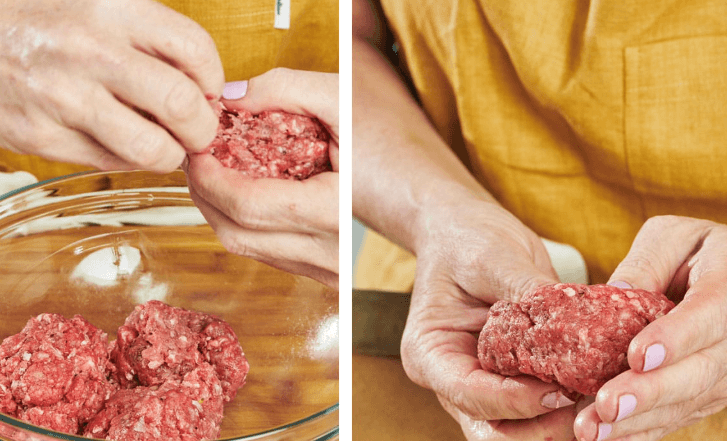
How to Cook Ground Beef or Hamburger Patties
Experts strongly advise against cooking ground beef rare due to food safety risks. Dr. Emily Green, a nutritionist, says, “Bacteria from the surface can mix into the interior during grinding, so thorough cooking is essential.” Preheat the pan, sear patties on high heat for a golden crust, then lower the heat to cook through. Approximate cooking times: 2–3 minutes per side for rare (not recommended), 4 minutes for medium, 5–6 minutes for well-done. Cooking from frozen requires lower heat and covering to ensure even cooking. Proper handling and cooking prevent contamination while keeping the burger flavorful.

What Health Experts Say
Experts suggest seasoning the meat lightly before cooking to retain moisture. Chef Marco Antonio adds, “Pour oil or butter into a preheated pan, then add the steak. Aromatics like garlic and rosemary elevate flavor without overpowering the meat.” Avoid pressing the steak while cooking, as it releases juices. Resting the steak under foil for 5–10 minutes ensures tenderness. Nutritionists recommend following safe food-handling practices, cooking to the recommended temperature, and keeping utensils clean. These steps create a delicious, safe, and nutritious steak experience every time.