The animal world is full of surprises, even when it comes to species we think we know well. From everyday pets to wild predators, animals have evolved with abilities and behaviors that can feel almost unreal. Some are physical traits that help them survive, while others are habits that reveal just how intelligent and emotional they can be.
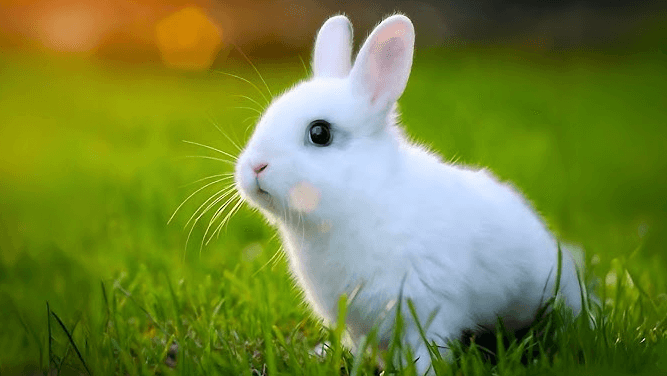
1. Rabbits Can See Almost Everything Around Them
Rabbits have nearly 360-degree vision, which means they can detect movement from almost any direction without turning their heads. This ability is crucial for survival in the wild, where predators can strike at any moment. The only blind spot they have is directly in front of their nose. This wide field of vision allows them to react quickly, making them incredibly alert animals even in calm environments.
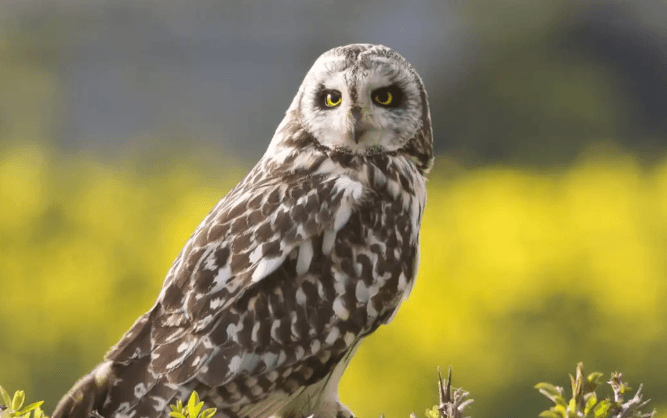
2. Owls Can Rotate Their Heads 270 Degrees
Owls are known for their eerie ability to rotate their heads far beyond what seems possible. While they cannot turn a full 360 degrees, they can rotate up to 270 degrees. This flexibility compensates for the fact that their eyes are fixed in place. Instead of moving their eyes, they move their entire head to scan their surroundings with precision.
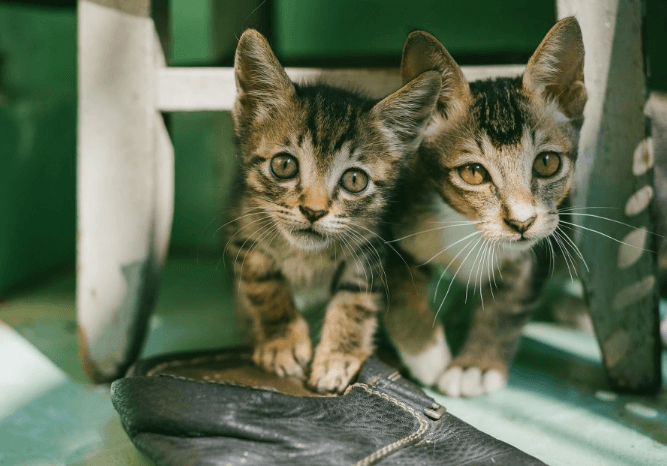
3. Cats Are Faster Than You Think
A domestic cat can sprint 100 meters in under 9 seconds, which is surprisingly fast for such a small animal. While they can’t maintain that speed for long, their bursts of acceleration make them excellent hunters. This quick speed is also why cats can suddenly dash across a room or leap onto high surfaces with ease.
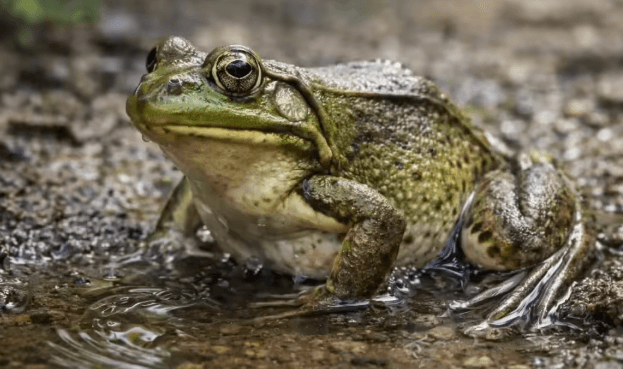
4. Frogs Don’t Drink Water
Unlike humans and many other animals, frogs don’t drink water through their mouths. Instead, they absorb moisture directly through their skin. This unique trait allows them to stay hydrated as long as they are in a damp environment, making their skin essential not just for breathing but also for survival.
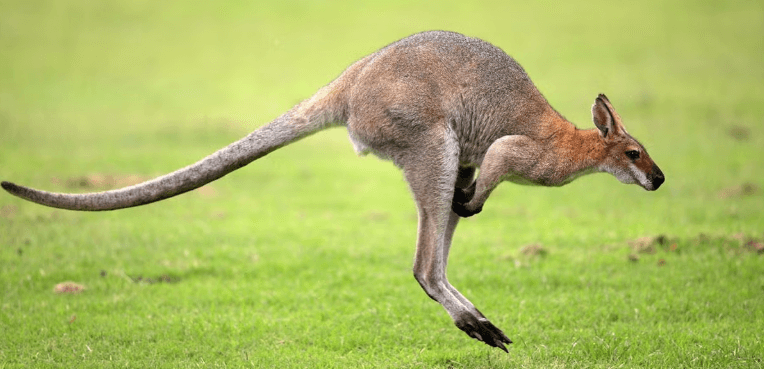
5. Kangaroos Need Their Tail to Jump
A kangaroo’s tail isn’t just for balance; it’s essential for movement. They rely on it as a powerful support when hopping. Without their tail touching the ground, they struggle to generate the force needed to jump properly. It acts almost like a third leg, giving them stability and strength.
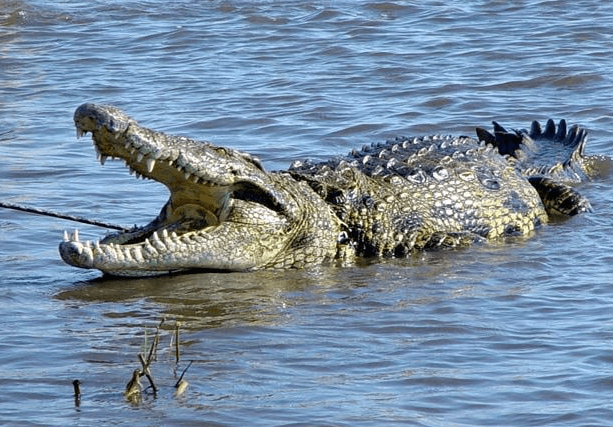
6. Crocodile Gender Depends on Temperature
The sex of a crocodile isn’t determined at conception like in humans. Instead, it depends on the temperature of the nest where the eggs are laid. Lower temperatures typically produce females, while higher temperatures result in males. This makes environmental conditions crucial for population balance.
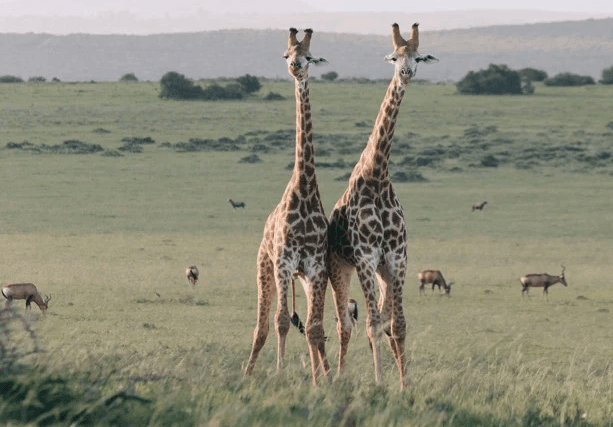
7. Giraffes Hardly Sleep at All
Giraffes have one of the shortest sleep cycles in the animal kingdom. They only sleep for about two hours a day, often in short bursts of just a few minutes. This helps them stay alert in the wild, where their height makes them visible targets for predators.
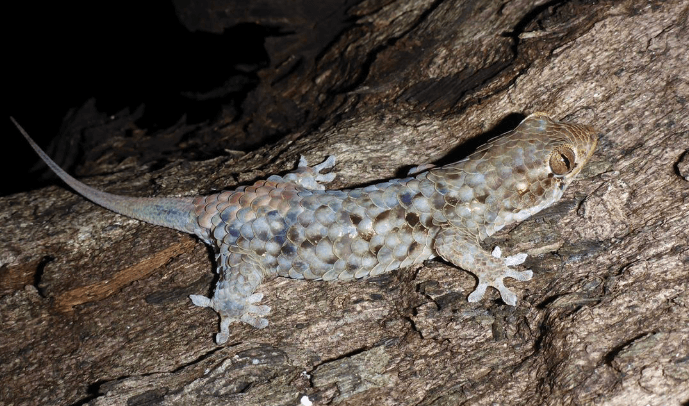
8. Some Geckos Can Shed Their Skin to Escape
Certain geckos have a remarkable defense mechanism. When threatened, they can shed parts of their skin and scales to escape predators. This allows them to slip away while the predator is distracted. Over time, their skin regenerates, making this a highly effective survival tactic.
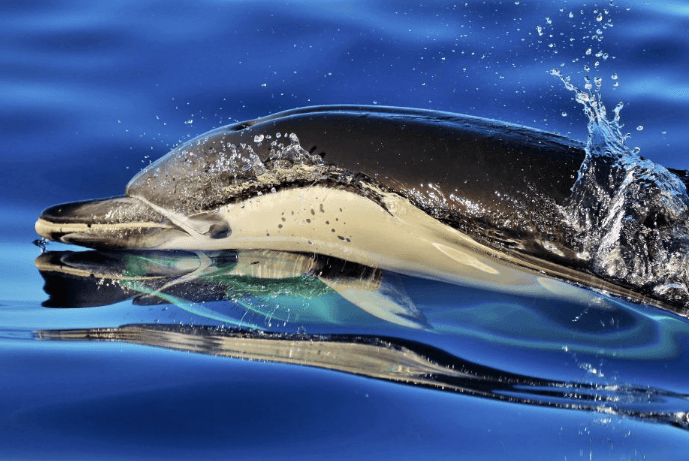
9. Dolphins Sleep While Swimming
Dolphins never fully shut down their bodies when they sleep. Instead, one half of their brain rests while the other stays active. This allows them to continue swimming and breathing at the surface. It’s a unique adaptation that prevents drowning while still getting rest.
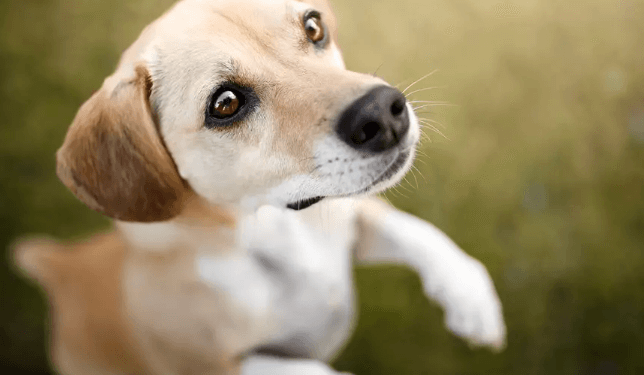
10. A Dog’s Nose Is Like a Fingerprint
Every dog has a unique nose pattern, just like human fingerprints. These patterns can actually be used to identify individual dogs. The ridges and lines on their noses are completely distinct, making them one of the most reliable forms of identification.
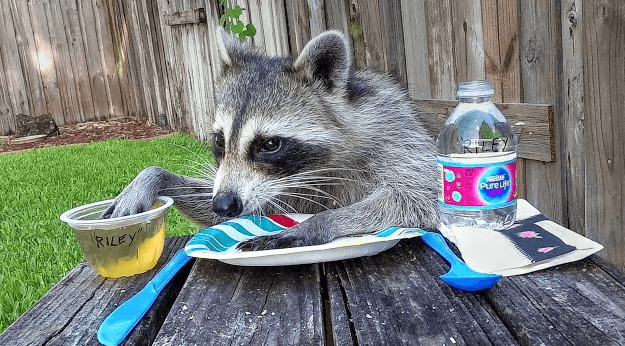
11. Raccoons Show Table Manners
Male raccoons often wait for females and young ones to finish eating before they begin. This kind of behavior is rare among animals and suggests a level of social awareness. It’s one of the reasons raccoons are considered highly intelligent creatures.
12. Horses Have Long Memories
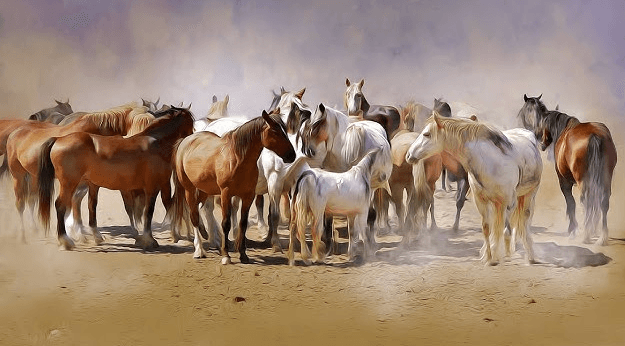
Horses remember both positive and negative experiences for a long time. If treated kindly, they form strong bonds with humans. However, if mistreated, they can develop lasting fear. Their memory plays a big role in how they respond to people and environments.
13. Some Animals Simply Can’t Jump
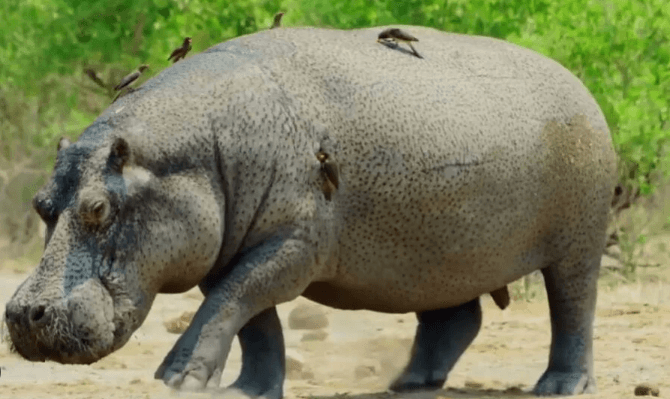
Animals like elephants, hippos, and tortoises are physically unable to jump. Their body structure and weight make it impossible to lift all four limbs off the ground at once. Despite their strength, jumping is simply not part of their movement abilities.
14. Sheep Can Self-Medicate
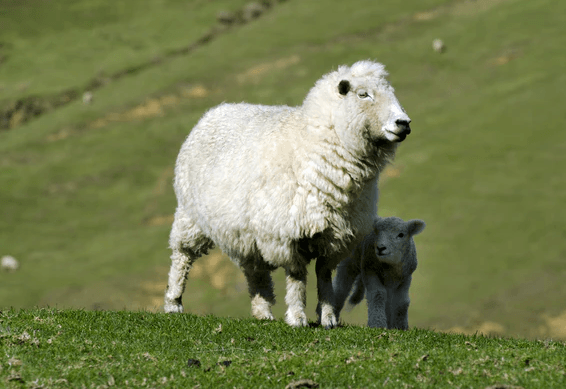
When sheep feel unwell, they instinctively change their diet. They seek out plants that help treat their illness, showing a natural form of self-medication. This behavior highlights how animals can rely on instinct to maintain their health.
15. Cows Form Close Friendships
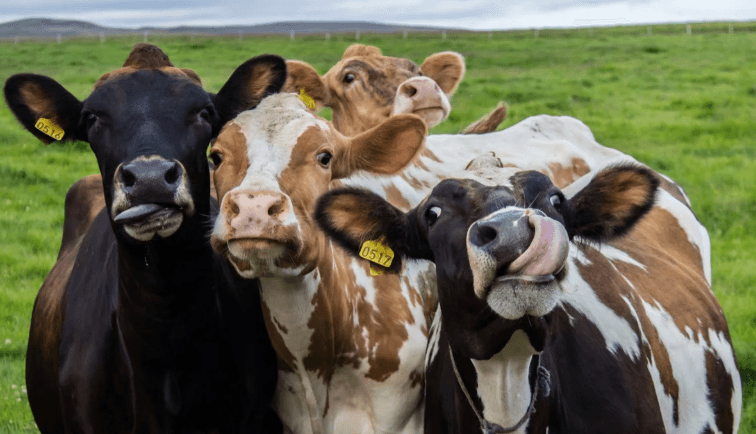
Cows are more emotional than many people think. They often develop close bonds with specific individuals in their herd. When separated from their preferred companions, they can experience stress or even signs of depression.
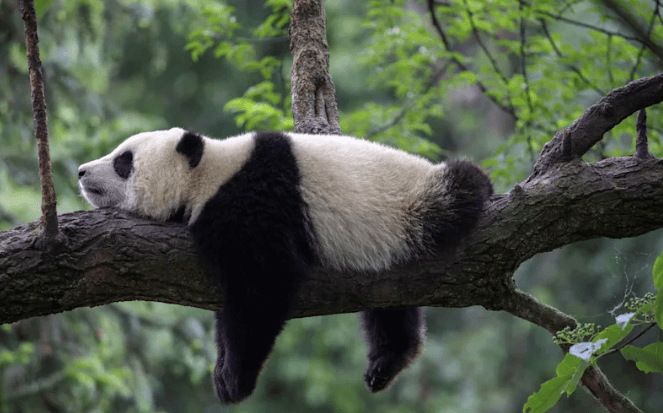
16. Pandas Sleep Wherever They Want
Giant pandas don’t have fixed sleeping spots. When they feel tired, they lie down wherever they are and fall asleep. This relaxed behavior reflects their low-energy lifestyle, largely due to their bamboo-based diet.
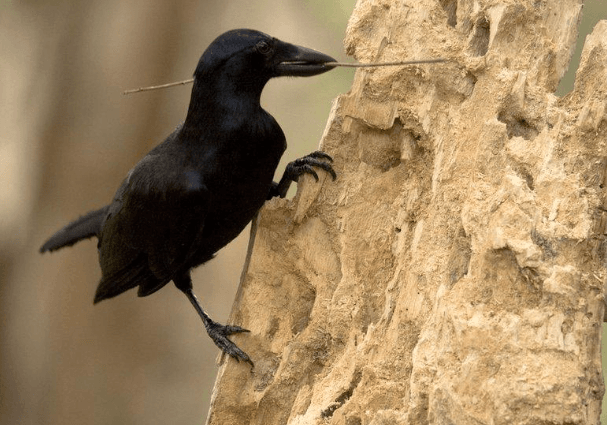
17. Crows Use Cars as Tools
Crows are incredibly smart and resourceful. Some have been observed dropping nuts onto roads so passing cars will crack them open. They even wait for traffic lights to turn red before safely retrieving their food.
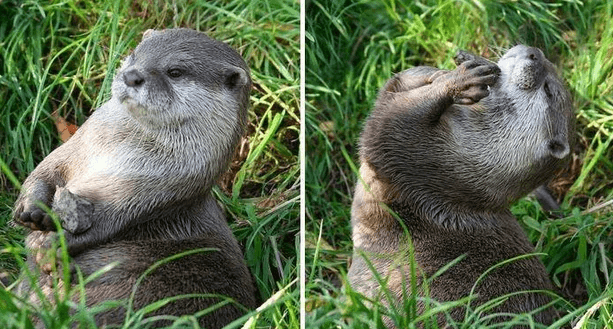
18. Otters Have Favorite Stones
Otters often keep a special stone to break open shells. They carry it with them and treat it almost like a treasured possession. When sleeping, they even hold hands with others to avoid drifting apart.
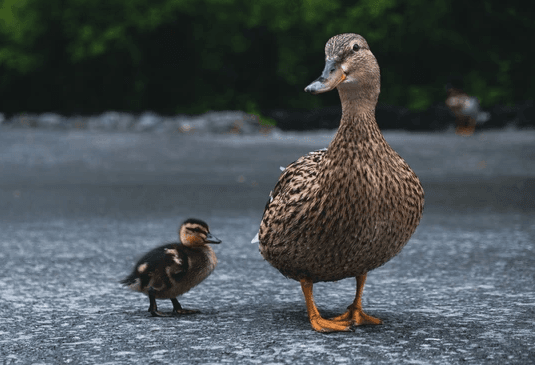
19. Ducklings Can Imprint on Humans
If a duckling sees a human shortly after hatching, it may imprint on them and treat them like its mother. This bond forms within minutes and can influence the duckling’s behavior for life.
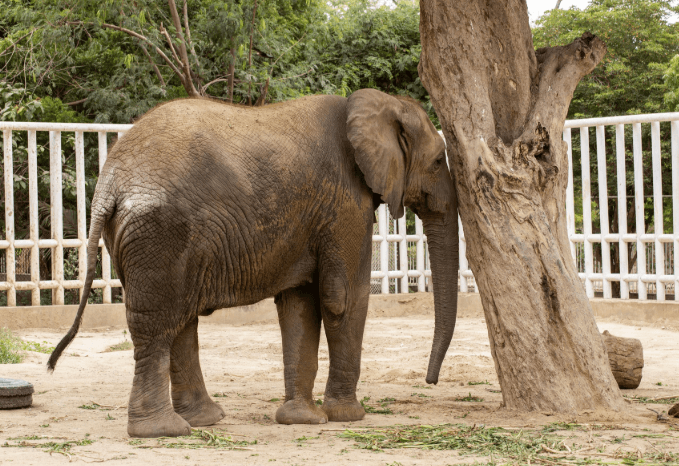
20. Elephants Can Die of Heartbreak
Elephants are known for their deep emotional connections. When they lose a companion, they can show signs of grief. In extreme cases, the stress and sadness can even lead to death, showing how emotionally complex they are.
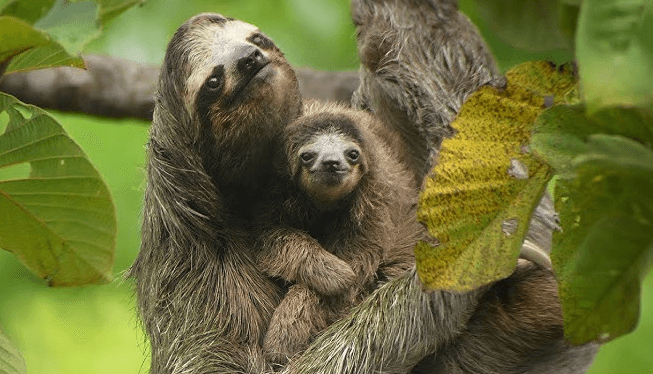
21. Sloths Move Slower Than You Think
Sloths are famous for their slow movement, but it’s even more extreme than most people realize. They move so slowly that algae can grow on their fur. This actually helps them blend into their surroundings and avoid predators.
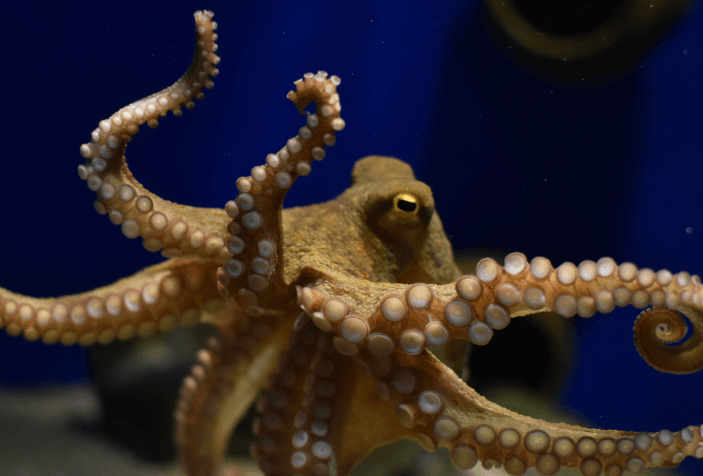
22. Octopuses Have Three Hearts
An octopus has three hearts, and two of them stop beating when it swims. That’s why these creatures prefer crawling along surfaces instead of swimming. It’s a fascinating example of how unique marine biology can be.
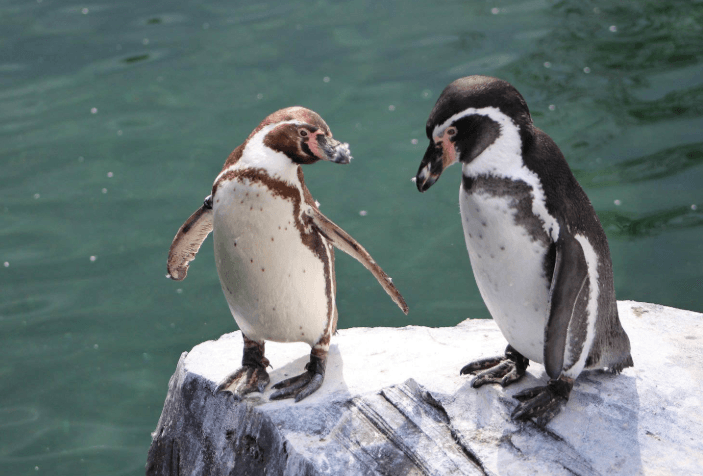
23. Penguins Propose With Pebbles
Some penguin species use pebbles as part of their mating ritual. A male will search for the perfect stone and present it to a female. If she accepts it, they may use it together to build a nest, marking the start of their bond.