
Chemotherapy has been the standard treatment for many types of cancer for decades, but it often comes with harsh side effects that can affect daily life. Fortunately, modern medicine has developed several effective alternatives that target cancer more precisely, reduce damage to healthy cells, and sometimes improve overall outcomes. From surgery to immunotherapy, these treatments offer patients options that may be safer, more targeted, and better suited to their individual needs.

1. Surgery as an Alternative to Chemotherapy
Surgery remains one of the most established and effective alternatives to chemotherapy, especially for cancers that form solid tumors in a localized area. The primary goal of surgical treatment is to physically remove the cancerous growth along with the surrounding tissue that may contain microscopic disease. Depending on the tumor’s size, location, and type, surgery can range from minimally invasive procedures to more extensive operations, such as removing lymph nodes or entire organs.
Surgery is particularly effective for early-stage cancers where the tumor has not spread to other parts of the body. For instance, skin cancers, localized breast tumors, and certain gastrointestinal cancers can sometimes be entirely removed through surgery, potentially providing a curative outcome without the need for chemotherapy. Surgeons often combine this approach with imaging techniques and biopsies to ensure complete excision and to assess whether additional therapies are necessary.
Although surgery targets the tumor directly, it is not without its risks. Patients may experience post-operative complications such as infections, bleeding, or delayed wound healing. Recovery times can vary, and physical rehabilitation may be required for more extensive procedures. Nevertheless, for many patients, surgery offers a direct and immediate method of eliminating cancer while avoiding the systemic side effects associated with chemotherapy.
Surgery is also frequently used in combination with other treatments. For example, chemotherapy or radiation therapy may be administered before surgery (neoadjuvant therapy) to shrink tumors or after surgery (adjuvant therapy) to destroy any remaining cancerous cells. This combined approach often increases the overall effectiveness of treatment while allowing surgeons to tailor interventions based on individual patient needs.
2. Hormone Therapy as an Alternative to Chemotherapy
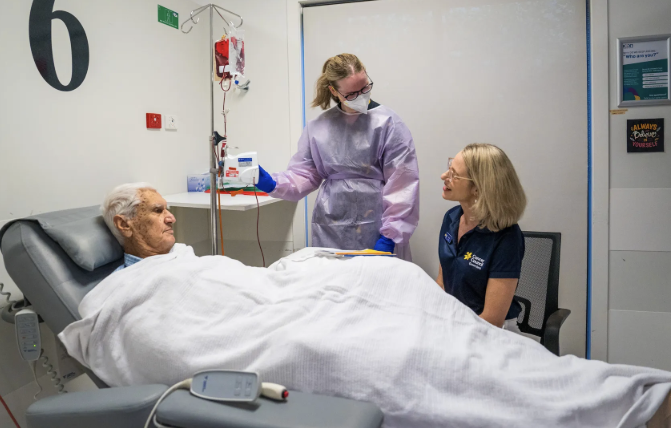
Hormone therapy provides a highly targeted approach to treating cancers that rely on hormones for growth. Breast and prostate cancers are the most common examples where hormone manipulation can significantly slow tumor progression. Hormone therapy works by either blocking the production of specific hormones or interfering with the way these hormones interact with cancer cells.
For instance, in hormone receptor-positive breast cancer, medications such as tamoxifen or aromatase inhibitors prevent estrogen from binding to tumor cells, effectively starving the cancer of a critical growth signal. Similarly, in prostate cancer, therapies that reduce testosterone levels can slow or halt tumor growth. While hormone therapy is not typically curative on its own, it can be highly effective when used in conjunction with surgery, radiation, or chemotherapy.
The side effect profile of hormone therapy differs from chemotherapy, often including fatigue, hot flashes, weight gain, and changes in bone density. However, these effects are generally more manageable and less systemic than those associated with traditional chemotherapy. Patients undergoing hormone therapy are usually monitored closely to ensure optimal hormone levels and to assess treatment effectiveness.
By focusing on the underlying hormonal drivers of certain cancers, hormone therapy provides a precision-based approach that can extend survival and improve quality of life. In cases where chemotherapy may be too toxic or unsuitable, hormone therapy offers a viable, less aggressive alternative that aligns closely with the biology of the tumor.

3. Targeted Therapy as an Alternative to Chemotherapy
Targeted therapy represents one of the most technologically advanced alternatives to chemotherapy, offering drugs designed to attack cancer cells while sparing healthy tissues. Unlike chemotherapy, which affects all rapidly dividing cells, targeted therapies focus on specific molecular markers or pathways that cancer cells depend on for growth and survival.
There are two main types of targeted therapies: monoclonal antibodies and small-molecule inhibitors. Monoclonal antibodies are laboratory-produced proteins that can attach to specific receptors on cancer cells, marking them for destruction by the immune system or blocking growth signals. Small-molecule inhibitors, on the other hand, penetrate cancer cells and disrupt critical processes that allow tumors to proliferate.
Targeted therapy has proven effective in treating a range of cancers, including chronic myelogenous leukemia, breast cancer, and lung cancer. Some drugs are administered orally, allowing for convenient home treatment, while others require intravenous infusions under medical supervision. Clinical trials continue to refine these therapies, exploring combinations with other treatments and developing drugs that overcome resistance mechanisms in cancer cells.
While targeted therapies generally produce fewer side effects than chemotherapy, they are not without risks. Patients may experience skin rashes, liver toxicity, or cardiovascular issues depending on the drug. Nevertheless, targeted therapy remains a cornerstone of modern oncology, providing a more precise and often more tolerable approach to cancer treatment.

4. Immunotherapy as an Alternative to Chemotherapy
Immunotherapy leverages the body’s natural defense system to recognize and destroy cancer cells. By enhancing the immune response or training immune cells to identify cancer-specific markers, immunotherapy offers a less invasive and highly effective alternative to chemotherapy, particularly for advanced cancers or tumors that have resisted conventional treatments.
Types of immunotherapy include checkpoint inhibitors, which block proteins that prevent immune cells from attacking cancer, and CAR-T cell therapy, which involves modifying a patient’s T cells to better target tumor cells. Immunotherapy can be administered orally, intravenously, or even directly to the tumor site, depending on the cancer type and treatment plan.
One of the key advantages of immunotherapy is its specificity. By focusing on the immune system’s ability to distinguish between healthy and malignant cells, immunotherapy minimizes damage to non-cancerous tissues. This approach can lead to fewer systemic side effects, although patients may experience immune-related reactions such as inflammation, fever, or fatigue.
Immunotherapy is rapidly evolving, with ongoing clinical trials expanding its application to more cancer types. While not every patient responds to immunotherapy, for many it represents a transformative approach, offering the potential for long-term remission or even cure in situations where chemotherapy alone might be insufficient.

5. Laser Therapy as an Alternative to Chemotherapy
Laser therapy uses highly focused light beams to treat cancerous tissues directly. Unlike systemic treatments such as chemotherapy, laser therapy targets tumors in specific areas, making it ideal for cancers that are accessible and localized. This precision helps minimize damage to surrounding healthy tissues and reduces systemic side effects.
Laser therapy can serve multiple purposes: it can shrink tumors, activate photosensitizing agents in photodynamic therapy, or remove blockages caused by tumors in critical organs like the lungs. Common applications include colon cancer, skin cancer, rectal cancer, and certain types of lung cancer.
While its use is limited compared to other alternatives, laser therapy is highly effective in selected cases. The procedure is typically outpatient or minimally invasive, allowing for quicker recovery compared to traditional surgery. Side effects are generally localized, such as minor skin irritation or swelling, and the overall treatment experience is less taxing on the patient.
By combining precision, minimal invasiveness, and the ability to target tumors that may not respond well to chemotherapy, laser therapy has emerged as a valuable tool in the modern oncology arsenal.
6. Radiation Therapy
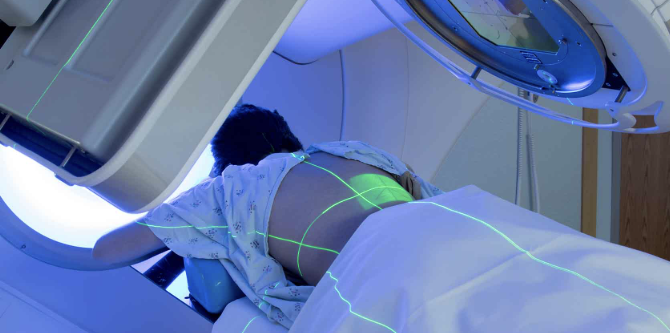
Radiation therapy uses focused beams of high-energy particles or waves to damage the DNA of cancer cells, inhibiting their ability to reproduce. Unlike chemotherapy, which circulates throughout the body, radiation can be precisely aimed at tumors, limiting exposure to surrounding healthy tissue.
Radiation therapy can be delivered externally via machines or internally through brachytherapy, where radioactive sources are placed inside or near the tumor. It is effective for treating both solid tumors and localized disease and is often combined with surgery or chemotherapy for maximum effect.
Modern advancements, such as intensity-modulated radiation therapy (IMRT) and proton therapy, have improved precision and reduced side effects. While fatigue and skin irritation are common, the therapy’s focused nature generally results in fewer systemic complications than traditional chemotherapy.

7. Cryotherapy
Cryotherapy involves freezing cancerous tissue to induce cell death, making it an increasingly popular alternative for localized tumors. It is commonly used in prostate, liver, kidney, and skin cancers. During the procedure, extremely cold gases or liquids are applied directly to the tumor, forming ice crystals that destroy cell structures.
Cryotherapy can be minimally invasive, allowing for outpatient procedures with quicker recovery compared to surgery. The technique can target tumors with high precision, preserving surrounding healthy tissue and minimizing side effects. In addition, cryotherapy can be repeated if necessary, offering flexibility in treatment plans.
While not suitable for all cancer types, cryotherapy provides a potent option for patients seeking alternatives to systemic chemotherapy. It can also complement other therapies, such as immunotherapy, by reducing tumor size and enabling other treatments to work more effectively.