Life doesn’t always go as planned. Sometimes, people face circumstances that strip them of their wealth, status, or sense of direction. For many, these moments can feel like the end—but for others, losing everything becomes the catalyst for discovering a new purpose, building resilience, and achieving extraordinary success. History is full of examples of individuals who turned failure, rejection, or hardship into opportunities for growth, creativity, and impact. Their stories show that losing everything isn’t the end of the road—it can be the beginning of a meaningful journey that transforms not only their lives but the lives of countless others.
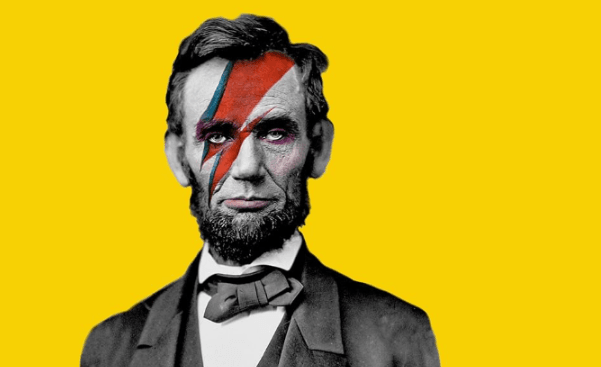
1. Abraham Lincoln
Before becoming one of the most revered presidents of the United States, Abraham Lincoln faced a lifetime of setbacks. He lost multiple business ventures and declared bankruptcy twice. His political career was no smoother—Lincoln suffered defeat in 26 elections before finally ascending to the presidency.
Despite repeated personal and professional failures, Lincoln remained committed to his vision for America. His resilience was fueled by a belief in justice, equality, and the potential for change. Facing unimaginable pressure, he navigated the nation through its most perilous time—the Civil War—and ultimately abolished slavery. Lincoln’s story demonstrates that even the most relentless setbacks can be transformed into extraordinary purpose when combined with persistence, ethical vision, and dedication to a cause greater than oneself.

2. J.K. Rowling
J.K. Rowling, the author of the beloved Harry Potter series, experienced profound hardship before her rise to literary fame. She was a single mother living on welfare, struggling with depression while attempting to complete her first book.
Rowling’s perseverance and unwavering belief in her story eventually led to the publication of Harry Potter and the Philosopher’s Stone. Her ability to transform personal adversity into creativity not only changed her life but also inspired millions worldwide. By channeling her struggles into her writing, Rowling discovered a sense of purpose in storytelling. Her journey highlights how embracing one’s passion amidst extreme hardship can lead impact, both personally and globally, turning despair into a platform for purpose and connection.

3. Michael Jordan
Before becoming a basketball legend, Michael Jordan faced crushing setbacks. He was famously cut from his high school varsity team, an event that could have ended his athletic ambitions. Instead, Jordan used rejection as motivation to work harder, improving his skills and refining his mindset.
Jordan’s failures shaped his approach to both basketball and life. He learned to see setbacks as temporary and as opportunities for growth, a philosophy that would later define his career. Over time, he became the most successful basketball player of his generation, winning multiple championships and earning global recognition. Jordan’s story illustrates that failure does not define one’s destiny; rather, persistence, discipline, and focus on one’s goals can turn loss into a powerful driving force for purpose.

4. Stephen King
Stephen King’s journey to becoming a celebrated author was fraught with rejection. His first novel, Carrie, was rejected by 30 publishers, each dismissal a test of his determination. During this period, King faced financial struggles and self-doubt, wondering if he would ever succeed.
Encouraged by his wife and driven by an unyielding commitment to his craft, King continued revising and submitting his manuscript. Eventually, Carrie was accepted, launching a career that would influence literature and film worldwide. King’s experience demonstrates that relentless effort in the face of repeated setbacks can lead to meaningful purpose. By embracing failure as part of the creative process, he transformed personal struggle into a platform for lasting achievement and cultural impact.

5. Oprah Winfrey
Oprah Winfrey’s early career was marked by significant rejection. Fired from her first television job as a news anchor, she could have given up on her ambitions. Instead, Oprah used the experience to reassess her path, eventually finding her voice in talk shows and the media.
Through perseverance and a commitment to authenticity, she transformed adversity into influence, building a media empire and inspiring millions. Oprah’s purpose emerged from the intersection of her personal challenges and her desire to uplift others. By leveraging her experiences of loss and rejection, she created platforms for storytelling, education, and empowerment. Her journey exemplifies how personal setbacks can redirect individuals toward transformative and meaningful work that resonates with the world.
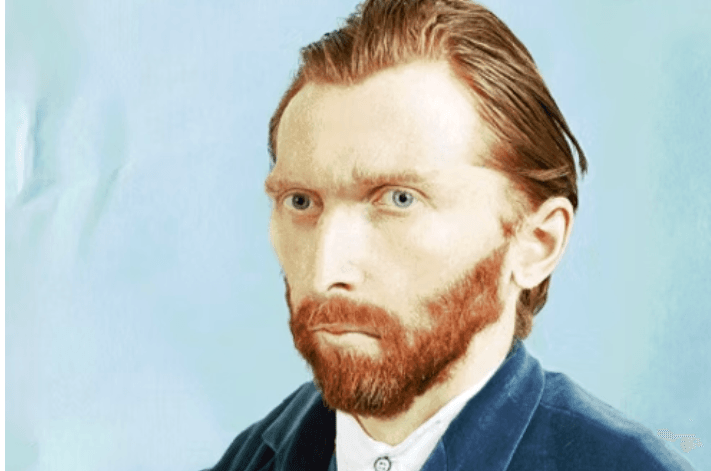
6. Vincent Van Gogh
Vincent Van Gogh’s life is a testament to perseverance in the face of overwhelming struggle. During his lifetime, he sold only one painting, lived in near-poverty, and suffered from severe mental health challenges. Many of his peers dismissed his art, leaving him feeling isolated and misunderstood.
Despite these hardships, Van Gogh continued painting prolifically, creating over 800 works that showcased his unique vision and emotional depth. His commitment to his craft, even when it offered no financial reward or recognition, illustrates the power of purpose driven by passion rather than external validation. Though he did not experience success in his lifetime, Van Gogh’s work ultimately transformed the art world and inspired countless artists. His story demonstrates that even profound failure or isolation can be redirected into meaningful achievement and that dedication to one’s calling can outlive temporary struggles, leaving a lasting legacy.
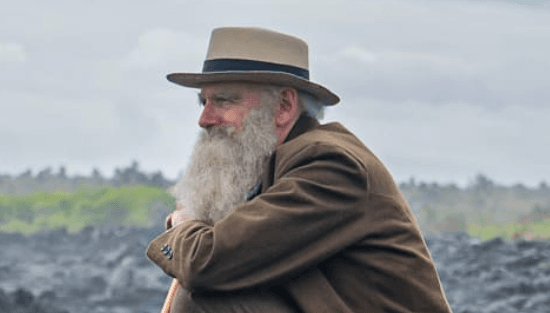
7. Charles Darwin
Charles Darwin faced skepticism, ridicule, and personal doubt throughout his career. Initially considered lazy by his father and teachers, Darwin’s scientific pursuits were often dismissed as inconsequential. His groundbreaking theory of evolution, however, would eventually revolutionize our understanding of life on Earth.
Publishing On the Origin of Species was a risky endeavor, inviting criticism from both the scientific community and religious institutions. Despite this, Darwin remained committed to evidence-based inquiry, meticulously documenting his observations and refining his arguments. His perseverance allowed him to turn what others saw as failures or distractions into a pioneering contribution to science. Darwin’s journey underscores that challenges, criticism, and personal setbacks do not preclude finding purpose; rather, they can sharpen one’s determination, ultimately allowing individuals to make transformative contributions that endure far beyond their lifetimes.